







No products in the cart.
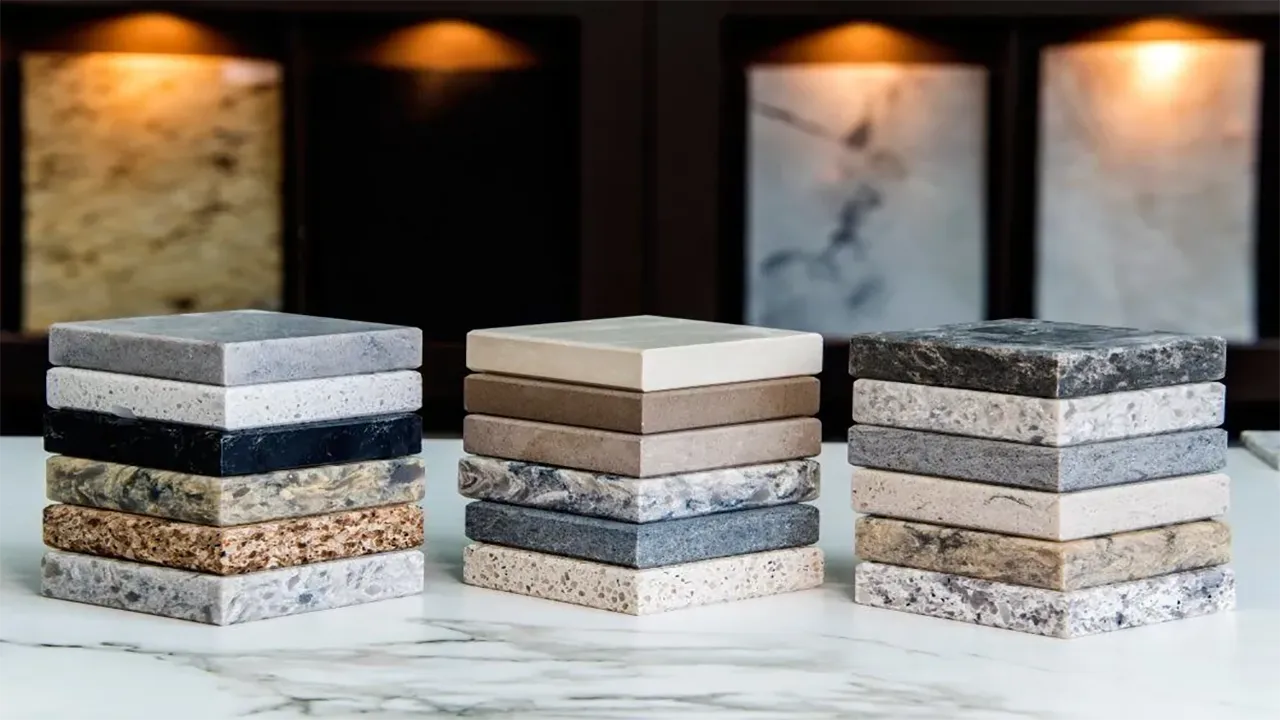
Granite is one of the most well-known and widely used natural stones in the world. From luxury kitchen countertops to monumental architecture, granite has earned its reputation because of its strength, longevity, and timeless beauty.
But what exactly is granite? Why is it considered one of the best stones for construction and interior design? And is it always the right choice?
In this complete guide, you’ll learn what granite is, how it forms, its key properties, real advantages and disadvantages, common applications, and most importantly, a practical buying guide to help you choose the right granite for your project.
What Is Granite?
Granite is a natural igneous rock formed deep beneath the Earth’s surface through the slow cooling of molten magma. This slow crystallization process allows large mineral crystals to develop, giving granite its distinctive granular appearance.
Granite is mainly composed of:
- Quartz – adds hardness and scratch resistance
- Feldspar – contributes to color and structure
- Mica – creates shimmer and texture
Because of this mineral composition, granite is extremely hard, durable, and resistant to wear.
Origin and Natural Formation of Granite
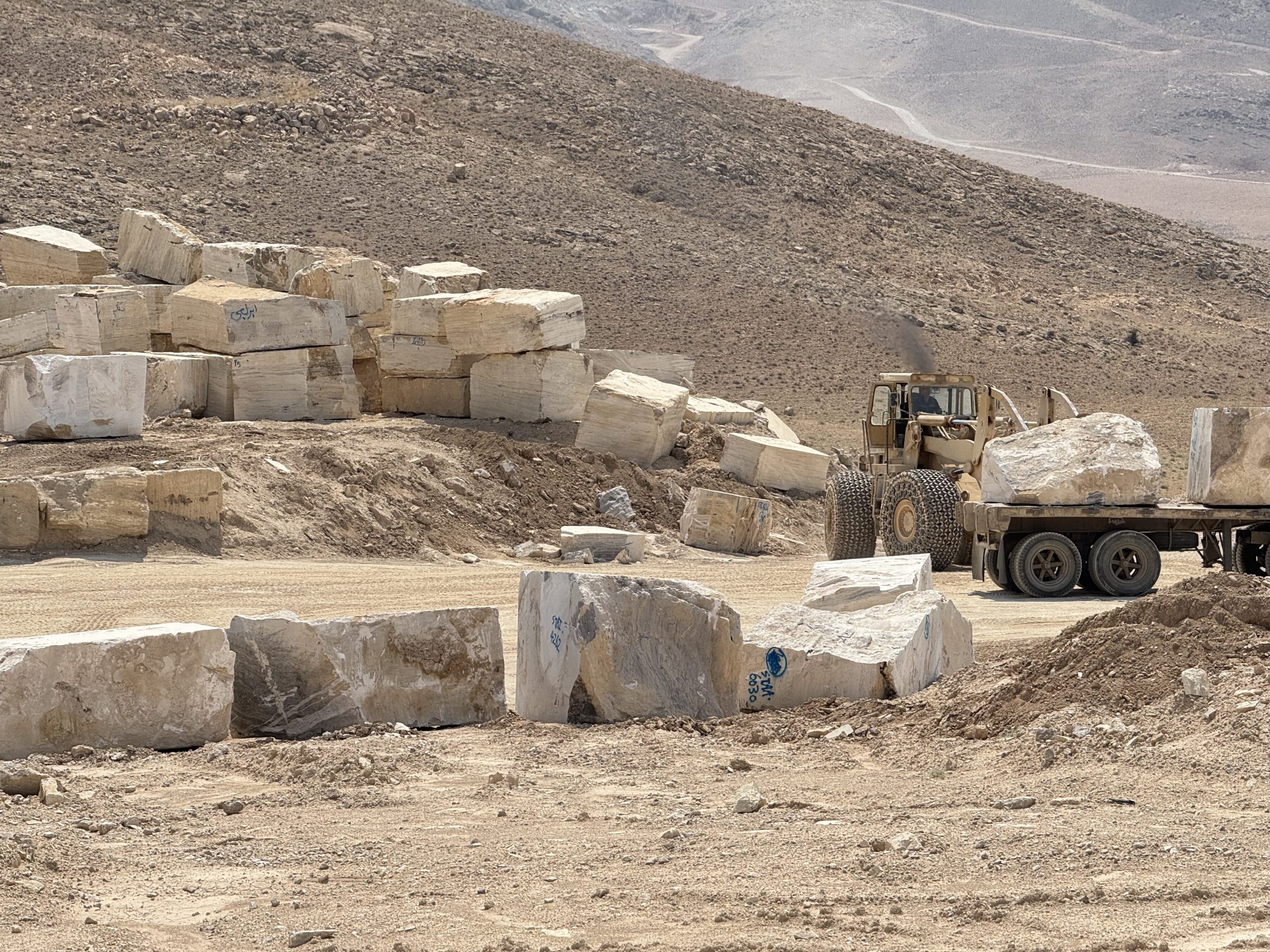
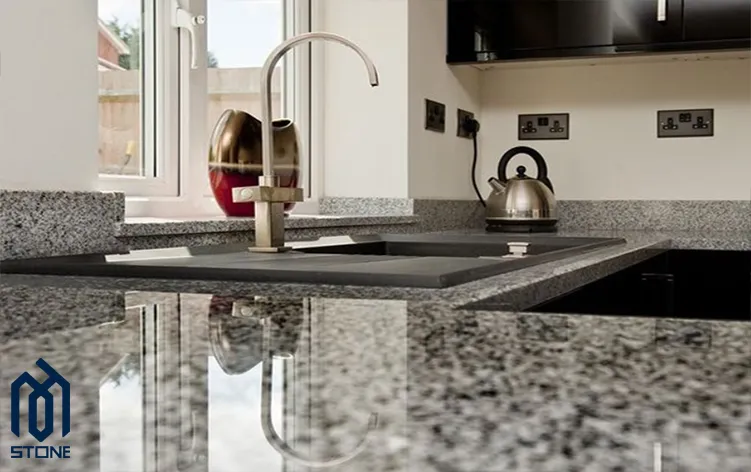
Granite forms deep within the Earth’s crust, often several kilometers below the surface. Over millions of years, tectonic movements and erosion expose granite deposits, making them accessible for quarrying. For those looking to source high-quality materials, reputable suppliers are offering a wide range of granite for sale from different regions around the world.
Major Granite-Producing Countries
Granite is found worldwide, but the most significant producers include:
- Brazil – exotic colors and dramatic patterns
- India – high durability and wide color range
- China – cost-effective and consistent materials
- Italy & Spain – premium architectural stones
- USA – classic granites for construction
- Iran – high durability, diverse color range, low water absorption, and cost-effective quality
Each region produces granite with unique colors, grain size, and mineral balance.
Physical Properties of Granite Stone
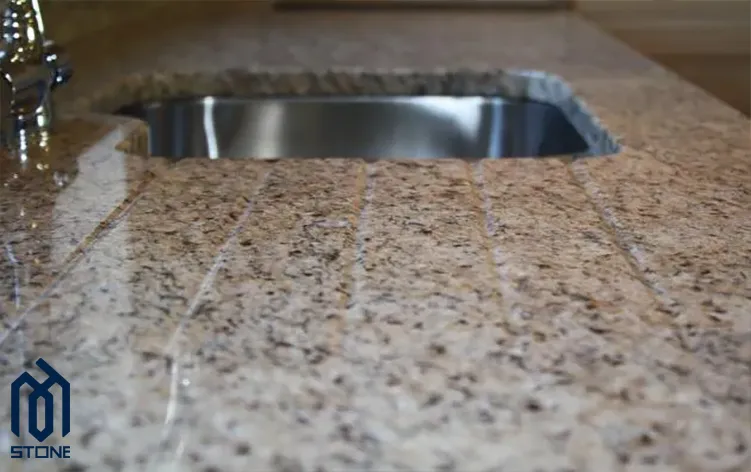
Texture and Structure: Granite has a coarse-grained crystalline structure, which means the mineral grains are visible to the naked eye. This interlocking crystal structure is the reason behind granite’s exceptional strength.
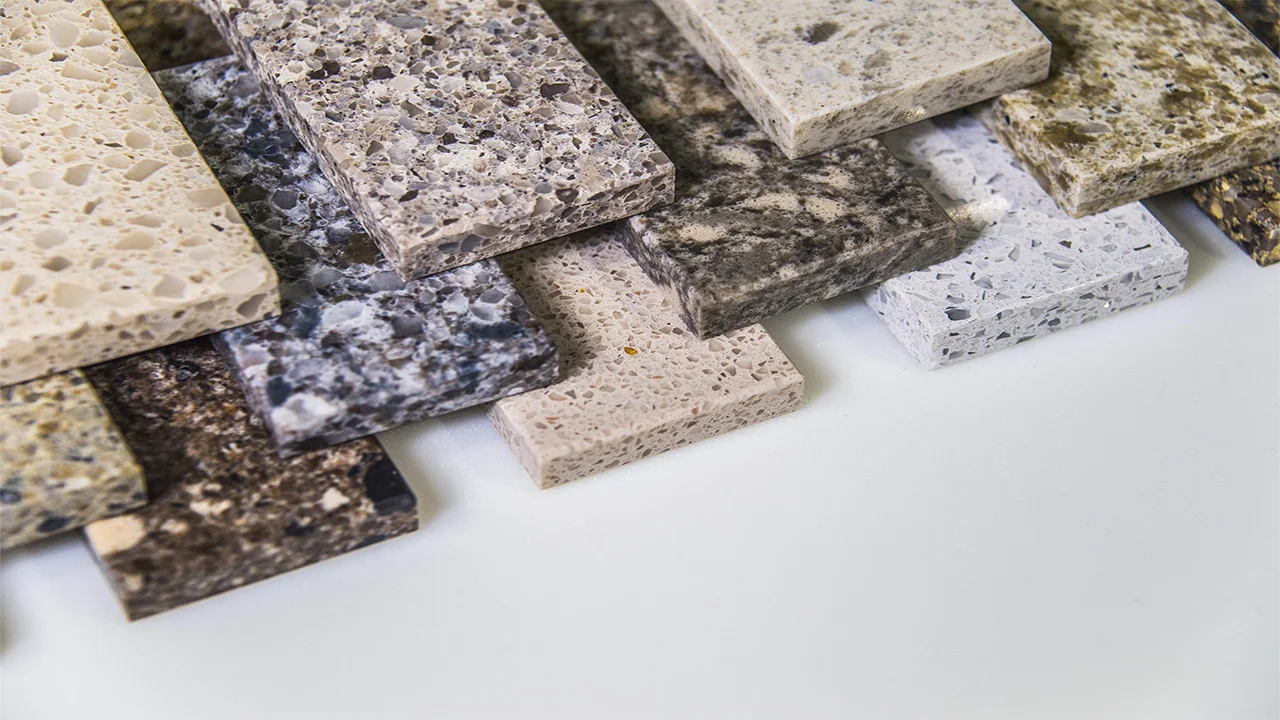
Color Variations: Granite offers one of the widest color ranges among natural stones:
- White & light gray (modern and minimal)
- Black (luxury and bold)
- Red, green, blue (exotic and decorative)
- Brown & beige (warm and classic)
Color variations depend on mineral concentration and geological conditions.
Hardness and Durability:
- Mohs hardness: 6–7
- Resistant to scratches, cracks, and impact
- Performs well in high-traffic areas
Granite easily outperforms many other natural stones in durability.
Types of Granite Stone
Types of Granite Based on Color
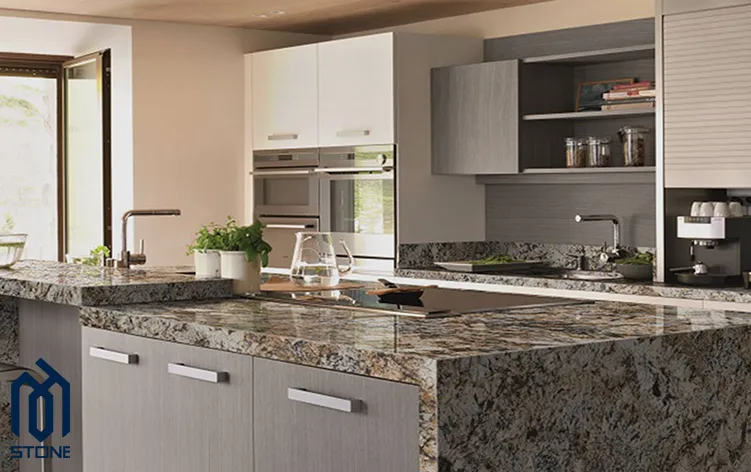
White Granite: Ideal for bright, modern kitchens and bathrooms.
Black Granite: Elegant, dramatic, and often used in luxury interiors.
Colored Granite (Red, Green, Blue): Used as statement pieces in design-focused projects.
Types of Granite Based on Origin
- Brazilian Granite – vibrant, exotic patterns
- Indian Granite – excellent durability for heavy use
- Chinese Granite – budget-friendly and uniform
Popular Commercial Granite Names
Granite is often sold under trade names like:
- Kashmir White
- Absolute Black
- Baltic Brown
- Ubatuba
These names help buyers quickly identify style and origin
Common Uses of Granite in Construction and Design
Granite is used in both residential and commercial projects, including:
- Kitchen countertops
- Bathroom vanities
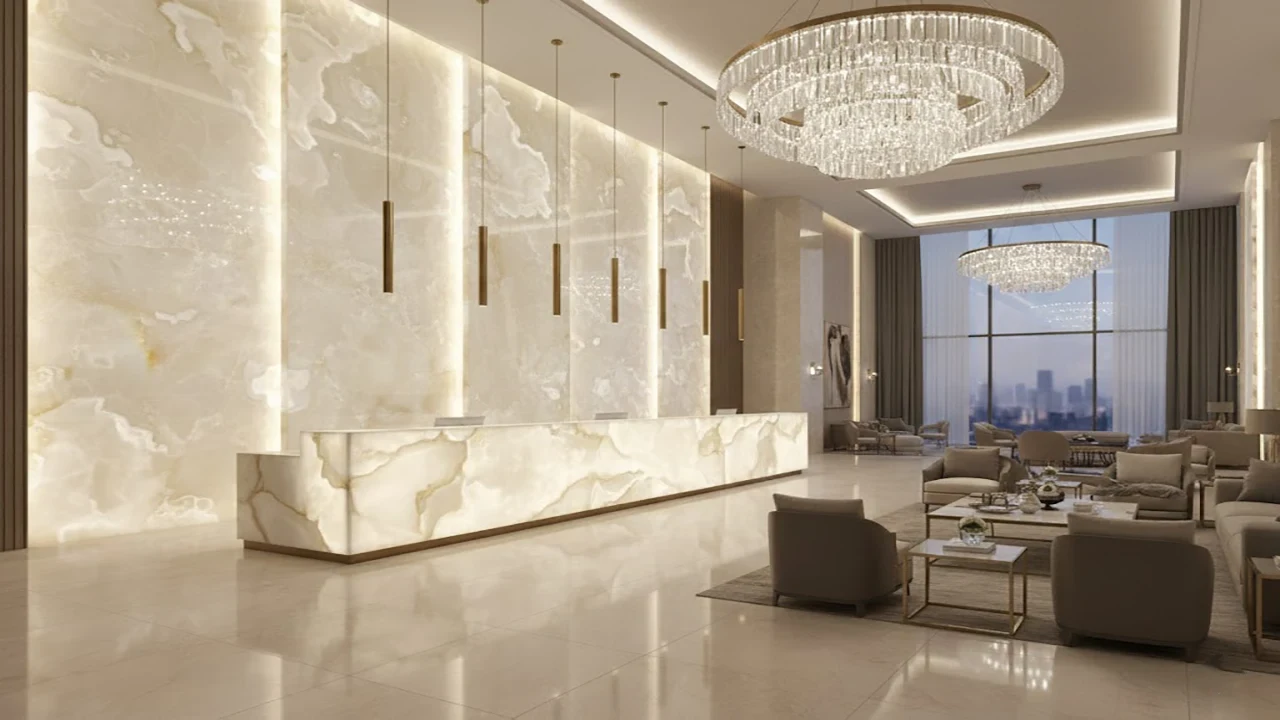
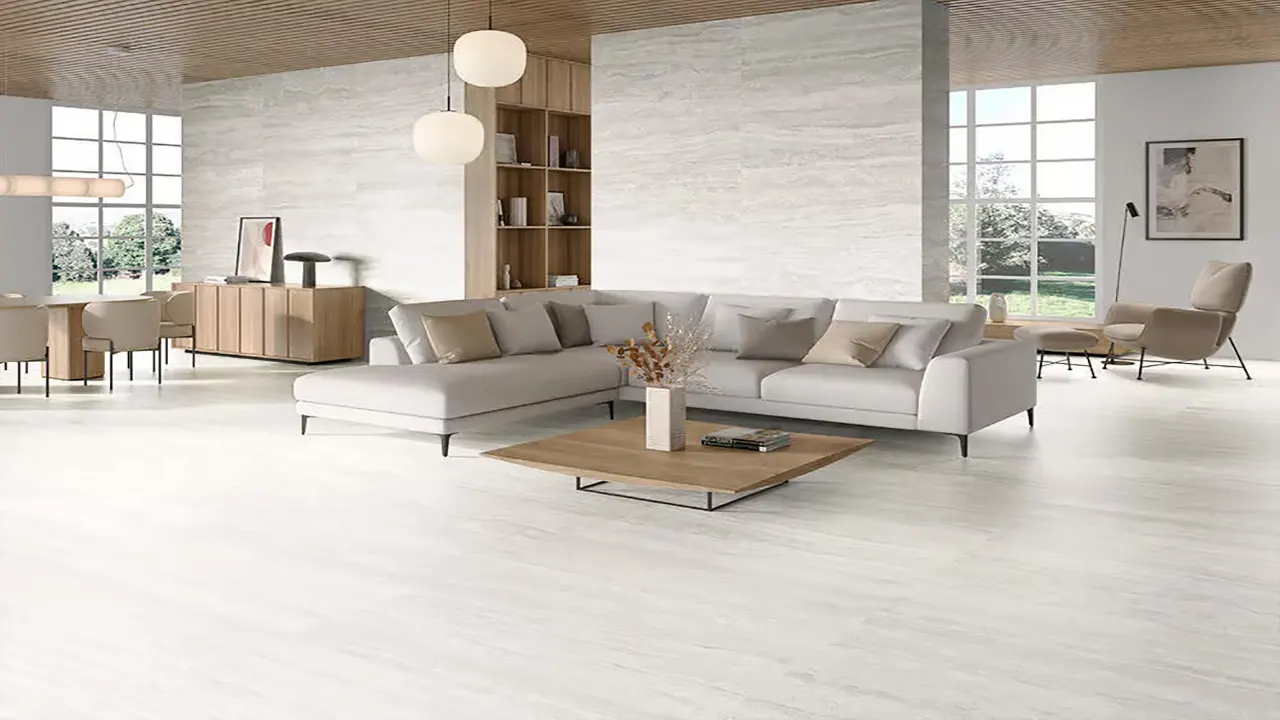
- Flooring and staircases
- Wall cladding (interior & exterior)
- Facades and paving
- Monuments and memorials
Its resistance to heat, moisture, and weather makes it suitable for indoor and outdoor use.
Pros of Granite Stone
- Exceptional Durability: Granite can last decades—even centuries with proper care.
- Heat and Scratch Resistance: Perfect for kitchens—hot pots and sharp tools won’t easily damage it.
- Natural and Timeless Beauty: No artificial material can fully replicate the depth and uniqueness of real granite.
- Adds Property Value: Granite surfaces often increase resale value and perceived quality.
- Low Daily Maintenance: Simple cleaning keeps granite looking new.
Cons of Granite Stone
- Higher Initial Cost: Granite is more expensive than ceramic tiles or laminate surfaces.
- Heavy Weight: Requires strong structural support and professional installation.
- Needs Periodic Sealing: As a porous stone, granite must be sealed to prevent stains.
- Natural Variation: Color and pattern variation may be a drawback for those seeking uniformity.
Granite vs Marble: Which One Is Better?
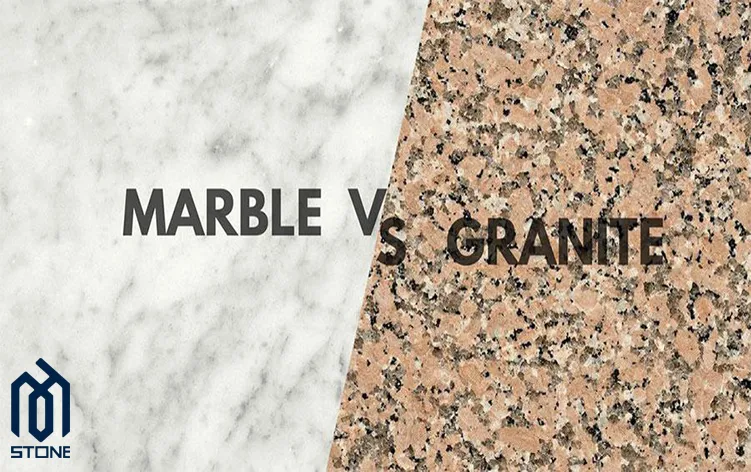
Feature | Granite | Marble |
Hardness | Very high | Medium |
Stain resistance | High (sealed) | Lower |
Maintenance | Low | High |
Price | Moderate to high | High |
Best use | Kitchens, outdoor | Bathrooms, décor |
Granite is generally better for functional, high-use areas.
How to Choose the Right Granite: Buying Guide
Before purchasing granite, consider these factors:
1- Intended Use: Countertops need higher durability than wall cladding.
2- Thickness: Common options:
- 2 cm (lighter, decorative)
- 3 cm (stronger, premium applications)
3- Finish Type
- Polished – glossy and luxurious
- Honed – matte and modern
- Flamed – outdoor anti-slip surfaces
4- Sealing Quality: Always choose properly sealed granite to avoid staining issues.
Granite Maintenance and Care Tips
- Clean with mild soap and water
- Avoid acidic cleaners
- Reseal every 1–2 years
- Wipe spills quickly
With basic care, granite maintains its beauty for decades.
Conclusion
If you’re looking for a natural, durable, elegant, and long-lasting stone, granite is one of the best choices available. While it requires a higher initial investment, its performance, beauty, and lifespan make it a cost-effective solution in the long run.
Granite is not just a stone—it’s a long-term investment in quality.
Related Posts
July 30, 2025
Top 10 Reasons to Incorporate Granite Steps into Your Hardscape Design
Introduction to Granite in Outdoor Design When it comes to outdoor spaces, homeowners are…