


No products in the cart.
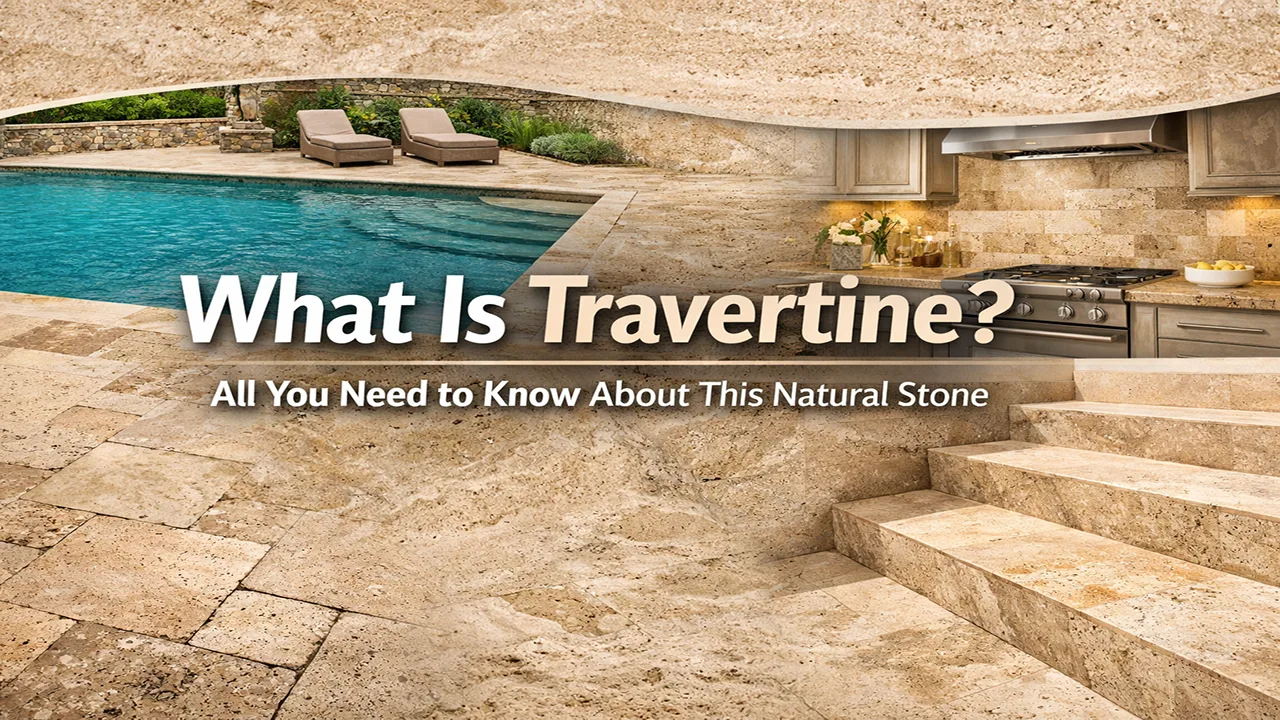
Travertine is one of the most well-known and widely used natural stones in architecture and construction. Valued for its timeless appearance, durability, and versatility, travertine stone has been used for centuries in residential, commercial, and monumental projects around the world.
From luxury flooring and wall cladding to outdoor patios and pool decks, travertine continues to be a preferred material for architects, designers, contractors, and stone suppliers. In this comprehensive guide, you’ll learn exactly what travertine is, how it forms, where it’s best used, how it compares to other stones, and whether it’s the right choice for your project.
What Is Travertine?
Travertine is a natural sedimentary stone primarily composed of calcium carbonate. It forms over thousands of years through mineral deposits left behind by flowing water, most commonly in hot springs, limestone caves, and riverbeds.
Unlike many other natural stones, travertine is characterized by its distinctive porous structure. These small holes and cavities are created by gas bubbles trapped during the stone’s formation.
Rather than being a flaw, this porosity is one of travertine’s defining aesthetic features and a major reason for its natural, organic appearance.
Travertine stone typically appears in neutral and earthy tones such as beige, cream, tan, brown, and gray, though gold, red, and yellow varieties are also available.
How Is Travertine Formed?
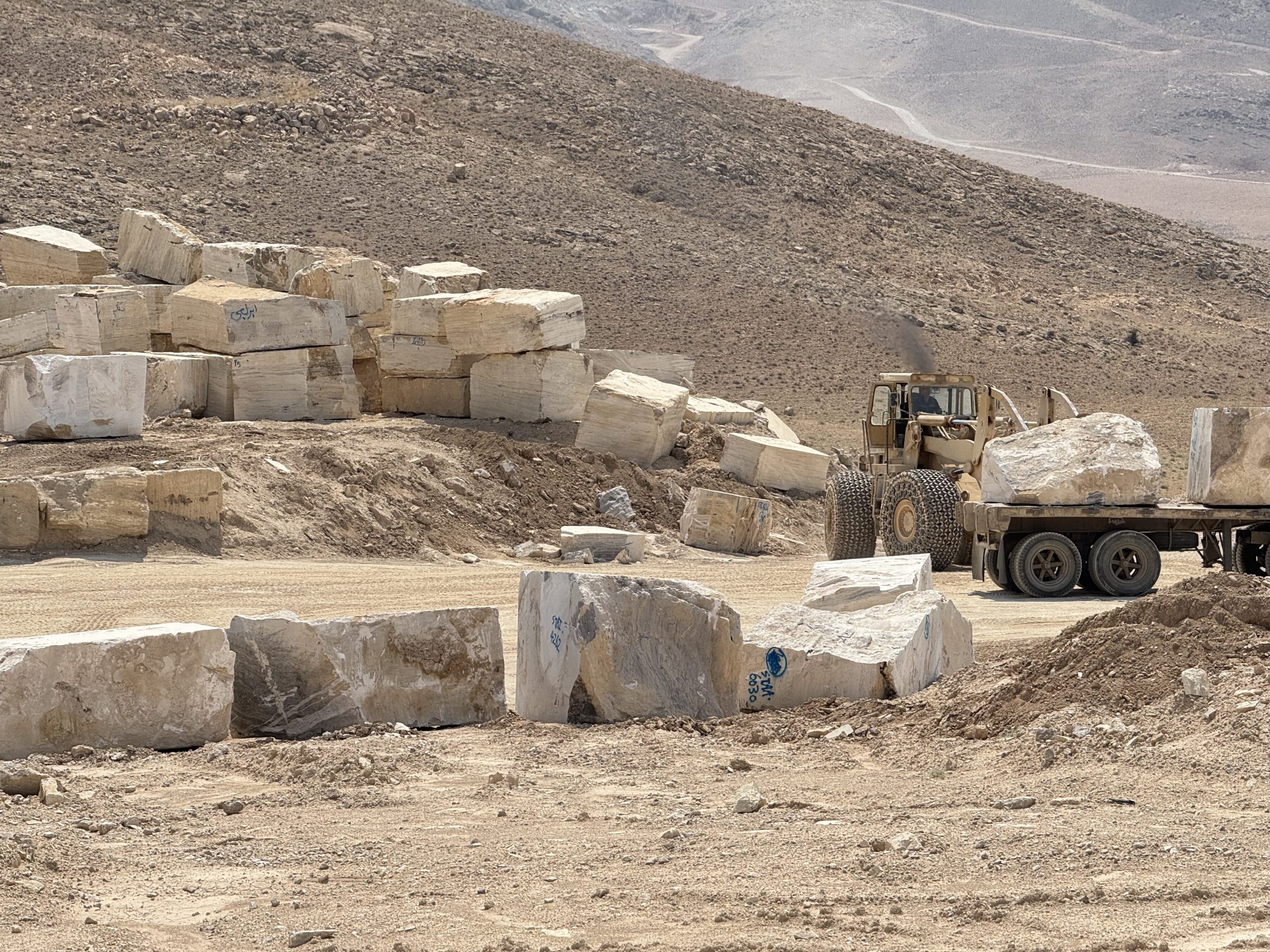
Travertine forms when mineral-rich water flows over rock surfaces and deposits calcium carbonate. Over time, these deposits harden into stone layers. This process usually occurs in:
- Hot springs
- Limestone caves
- Riverbeds and waterfalls
As the water evaporates, minerals accumulate and solidify, creating the layered texture and natural voids that make travertine unique. This natural formation process gives each slab or tile its own pattern, ensuring no two pieces are exactly alike.
Key Characteristics of Travertine Stone
Travertine’s popularity comes from a balance of beauty and performance. Key characteristics include:
- Natural porosity that creates a distinctive texture
- Slip resistance, especially in honed or brushed finishes
- Thermal comfort, staying cool underfoot in warm climates
- High durability when properly sealed and maintained
- Timeless appearance suitable for classic and modern designs
These properties make travertine suitable for both indoor and outdoor applications.
What Is Travertine Used For?
Travertine is widely used across residential, commercial, and public projects. Whether sourcing from a reputable travertine supplier or selecting locally, this stone’s versatility ensures excellent performance indoors and outdoors.
Common Travertine Uses
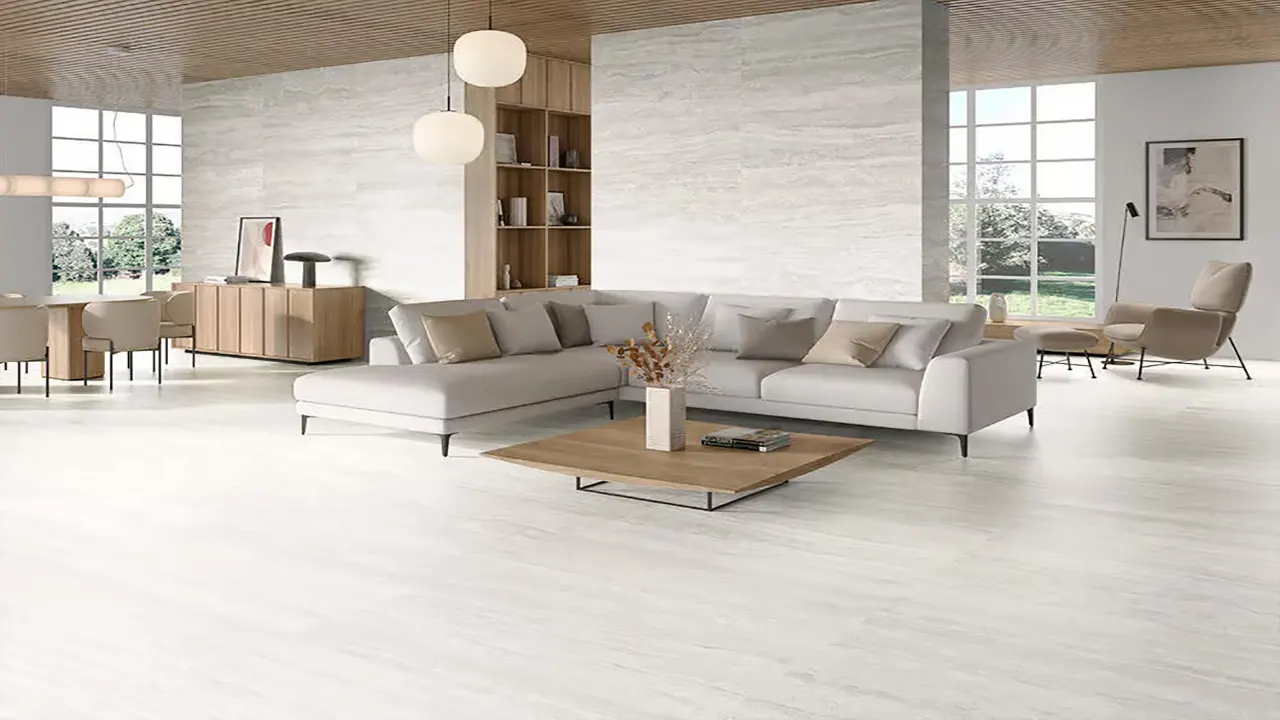
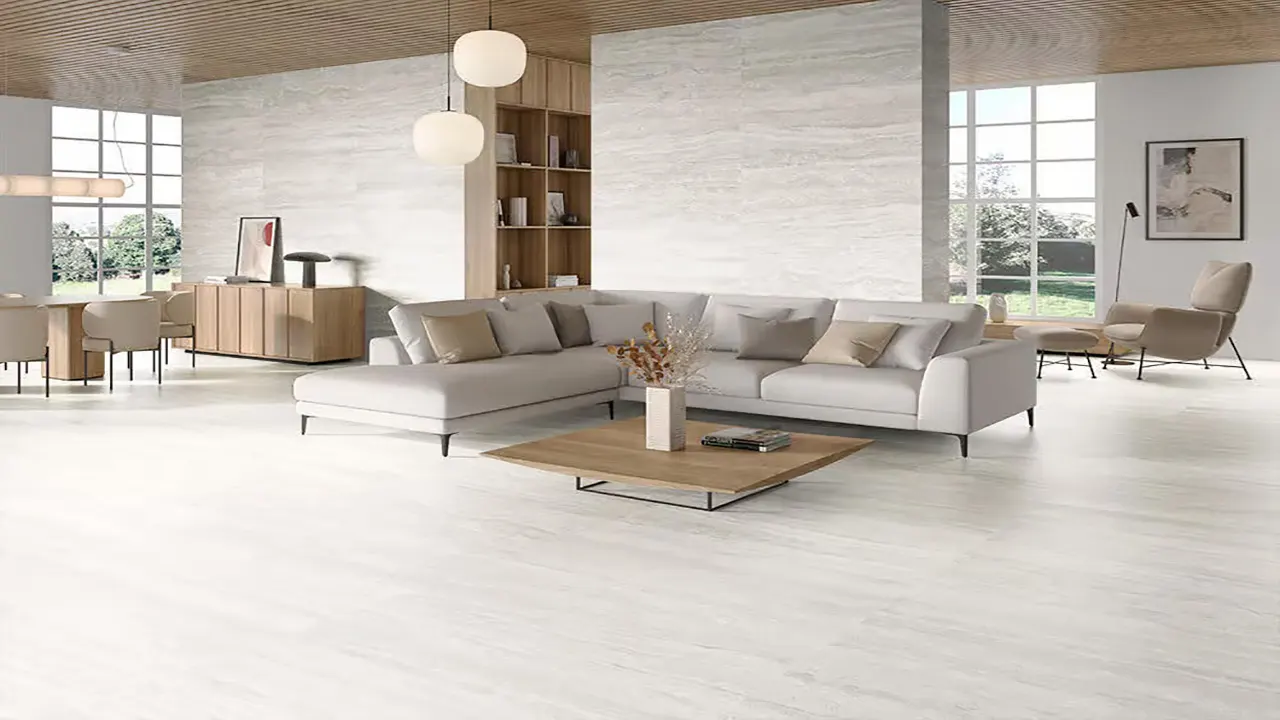
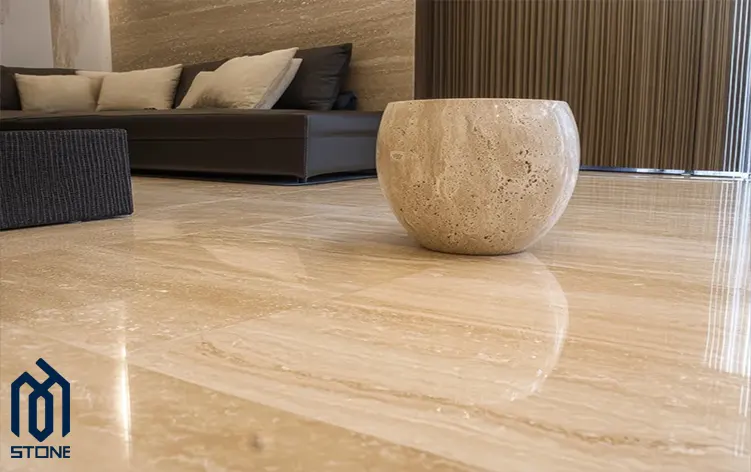
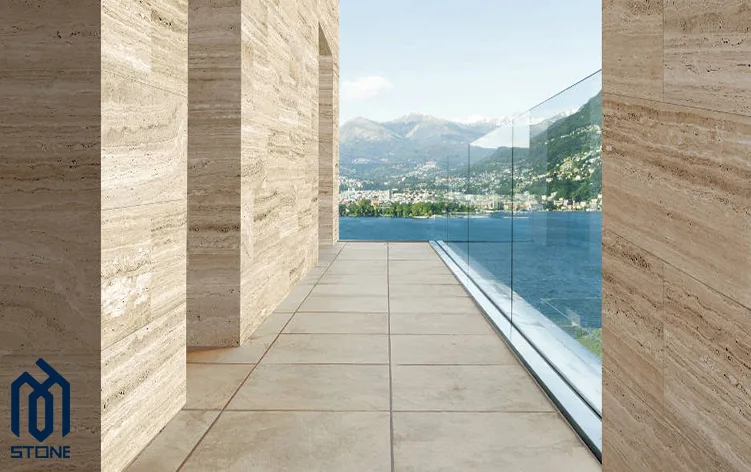
Flooring: Travertine flooring is popular in high-traffic areas due to its durability and elegant appearance. It is used in homes, hotels, shopping centers, and office buildings.
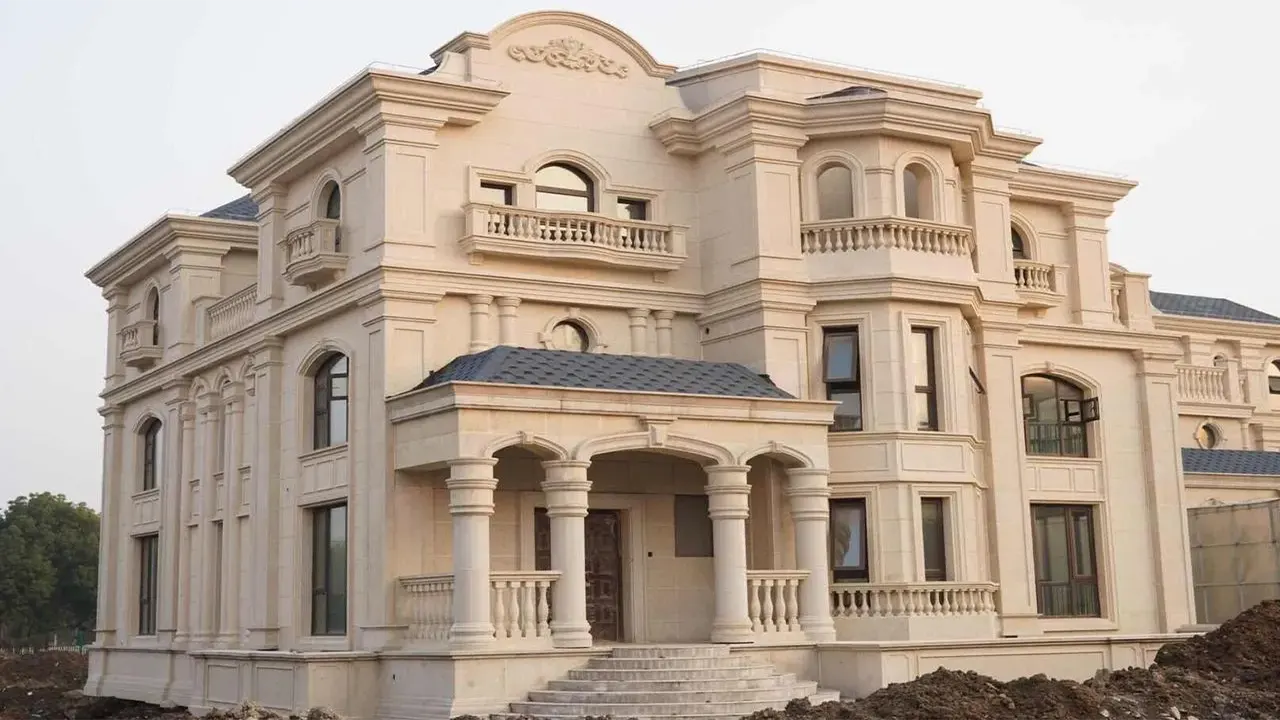
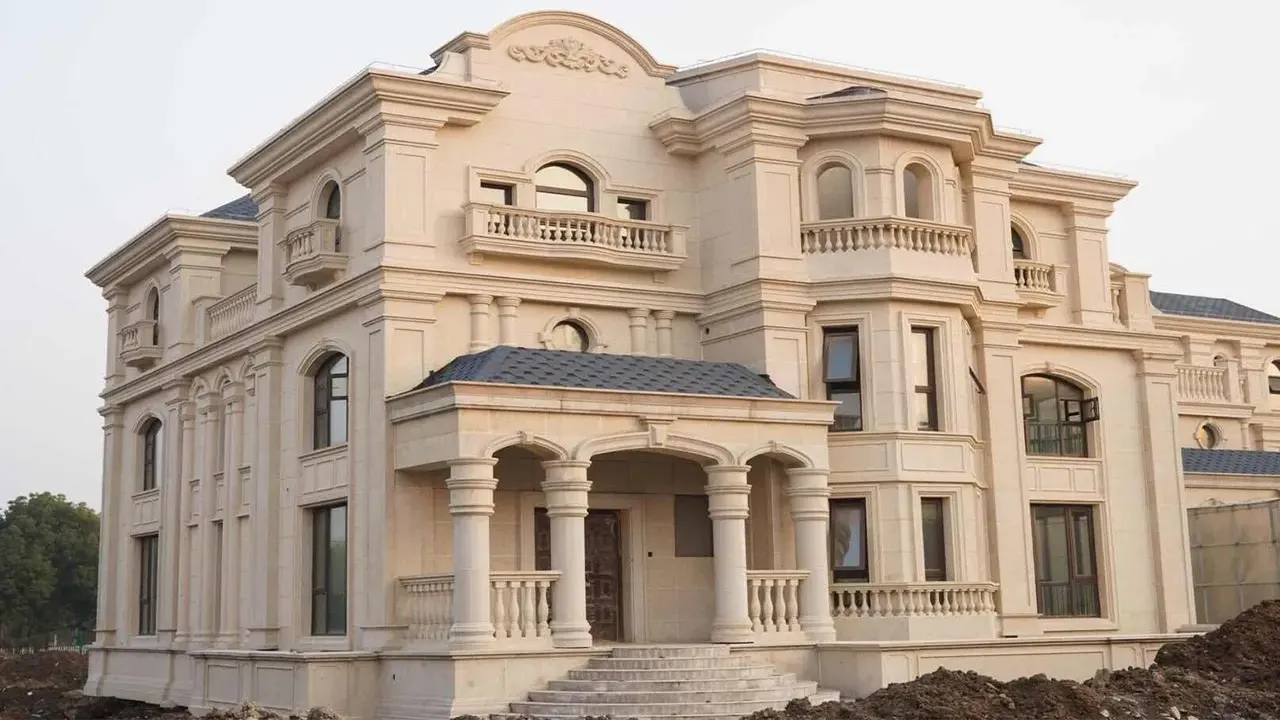
Wall Cladding: Travertine wall cladding enhances interior and exterior walls with a refined, natural look. It works equally well in modern architecture and traditional designs.
Countertops & Vanities: Travertine countertops offer heat resistance and visual warmth, making them suitable for kitchens and bathrooms when properly sealed.
Backsplashes: Travertine tile backsplashes add texture and depth to kitchens, blending well with both contemporary and rustic interiors.
Fireplace Surrounds: Thanks to its heat resistance, travertine is an excellent material for fireplace surrounds and feature walls.
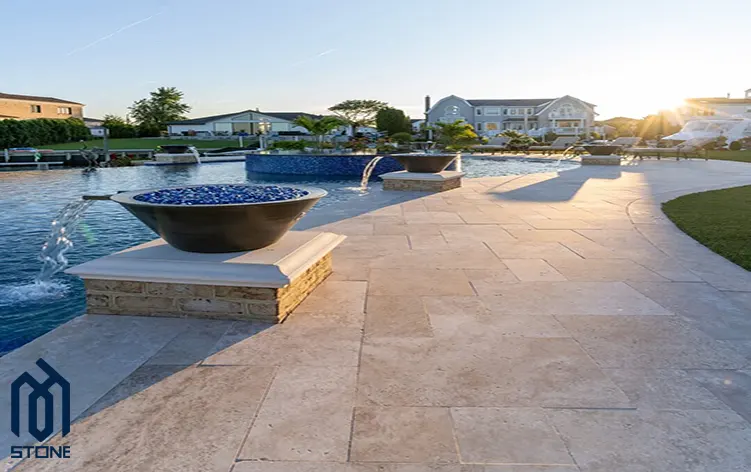
Patios, Pool Decks & Outdoor Areas: Travertine is one of the most popular natural stones for outdoor use. It remains cool underfoot and offers slip resistance, making it ideal for pool decks and patios.
Travertine Flooring: Is It a Good Choice?
Travertine flooring is considered a premium flooring option. It offers:
- Long lifespan
- Natural anti-slip properties
- Visual continuity across large surfaces
With proper sealing and maintenance, travertine floors can last for decades, making them a cost-effective long-term investment for commercial and residential projects.
Travertine for Outdoor Applications
Travertine performs exceptionally well outdoors, especially in warm climates. Its natural cooling effect and textured surface make it ideal for:
- Pool decks
- Garden pathways
- Terraces and courtyards
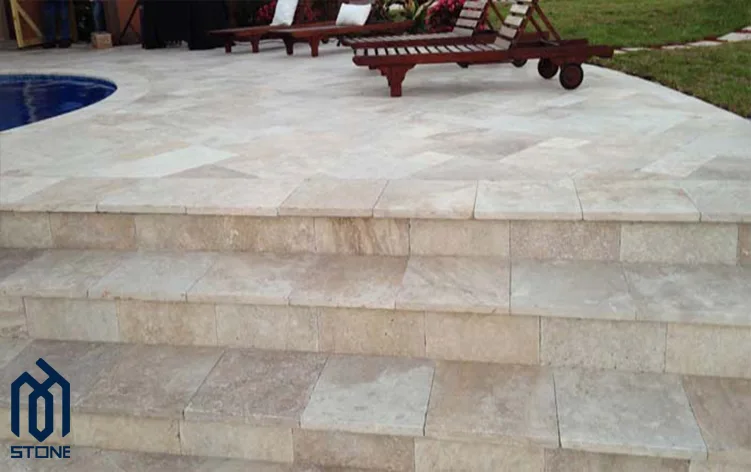
- Exterior staircases
Tumbled or brushed travertine finishes are often recommended for outdoor environments due to their enhanced slip resistance.
Travertine vs Limestone: What’s the Difference?
Travertine and limestone are closely related but differ in important ways:
Formation: Travertine forms from mineral-rich water deposits, while limestone forms from compressed marine organisms.
Porosity: Travertine is more porous and textured; limestone is denser and smoother.
Applications: Travertine is often preferred for flooring and exterior use, while limestone is commonly used for wall cladding and decorative elements.
Travertine vs Marble
While both are natural stones, travertine and marble serve different purposes:
- Marble offers a polished, luxurious appearance but is more prone to scratching and etching.
- Travertine provides a warmer, more natural look and better slip resistance.
Travertine is often chosen for functional spaces where durability and safety are priorities.
Popular Types of Travertine Stone
Some of the most widely used travertine varieties include:
- Crema Travertine – Soft beige tones suitable for classic interiors
- Silver Travertine – Gray and silver layers are ideal for modern designs
- Walnut Travertine – Rich brown shades for warm spaces
- Yellow Travertine – Bright tones for bold architectural features
- Red Travertine – Distinctive color often used in decorative applications
- White Travertine – For minimalist or modern designs, a white travertine slab can create a sleek, timeless look
Travertine Colors Explained
Travertine’s natural palette includes:
- Beige & Cream – Neutral and versatile
- Brown & Tan – Warm and earthy
- Gold & Yellow – Luxurious and vibrant
- Silver & Gray – Contemporary and modern
- Red & Terracotta – Bold and traditional
Color variation is natural and adds to the stone’s authenticity.
Travertine Finishes and Their Best Uses
Different finishes dramatically affect travertine’s appearance and performance:
- Honed – Smooth, matte finish for interiors
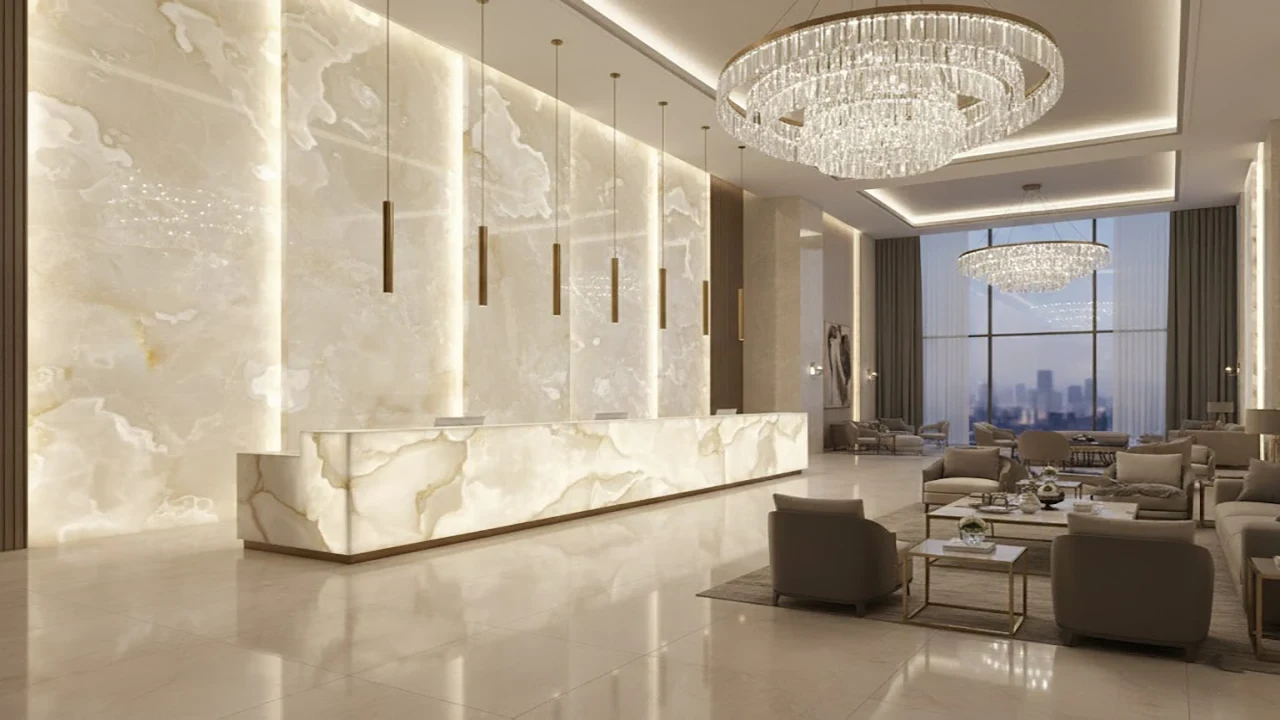
- Polished – High-gloss finish for luxury spaces
- Brushed – Textured, slip-resistant surface
- Tumbled – Rustic look, ideal for outdoor areas
Pros and Cons of Travertine
Advantages
- Natural, timeless beauty
- Durable and long-lasting
- Suitable for indoor and outdoor use
- Wide range of colors and finishes
Disadvantages
- Requires sealing due to porosity
- Higher upfront cost compared to ceramic alternatives
Does Travertine Need to Be Sealed?
Yes. Sealing travertine is essential. Because of its porous nature, sealing protects the stone from moisture, stains, and chemical damage. High-quality sealants significantly extend the lifespan of travertine surfaces.
How to Clean and Maintain Travertine
Proper maintenance ensures long-term performance:
- Use pH-neutral cleaners
- Avoid acidic substances
- Clean spills promptly
- Reseal periodically, especially in wet areas
Famous Buildings Made with Travertine
Travertine has been used in iconic architecture worldwide, including:
- The Colosseum (Rome)
- St. Peter’s Basilica (Vatican City)
- The Getty Center (Los Angeles)
These landmarks demonstrate travertine’s durability and timeless appeal.
Is Travertine Right for Your Project?
Travertine is an excellent choice for projects that demand durability, natural beauty, and long-term value. Whether used in residential interiors, large commercial spaces, or outdoor environments, travertine stone delivers both performance and aesthetic impact.
For architects, contractors, and global stone buyers, sourcing high-quality natural travertine from a reliable supplier is key to achieving consistent results.

Conclusion
Travertine continues to be one of the most reliable and versatile natural stones in the global construction and design industry. Its unique formation, natural textures, and wide range of applications make it suitable for residential, commercial, and large-scale architectural projects.
When properly selected, finished, and sealed, travertine offers long-term durability, thermal comfort, and timeless visual appeal.
For architects, contractors, and stone buyers seeking a balance between performance and aesthetics, travertine stone remains a proven material that adds lasting value to any project.
Related Posts
December 27, 2025
what is white travertine?
Natural stones have always played a key role in architecture and interior design, but few…