

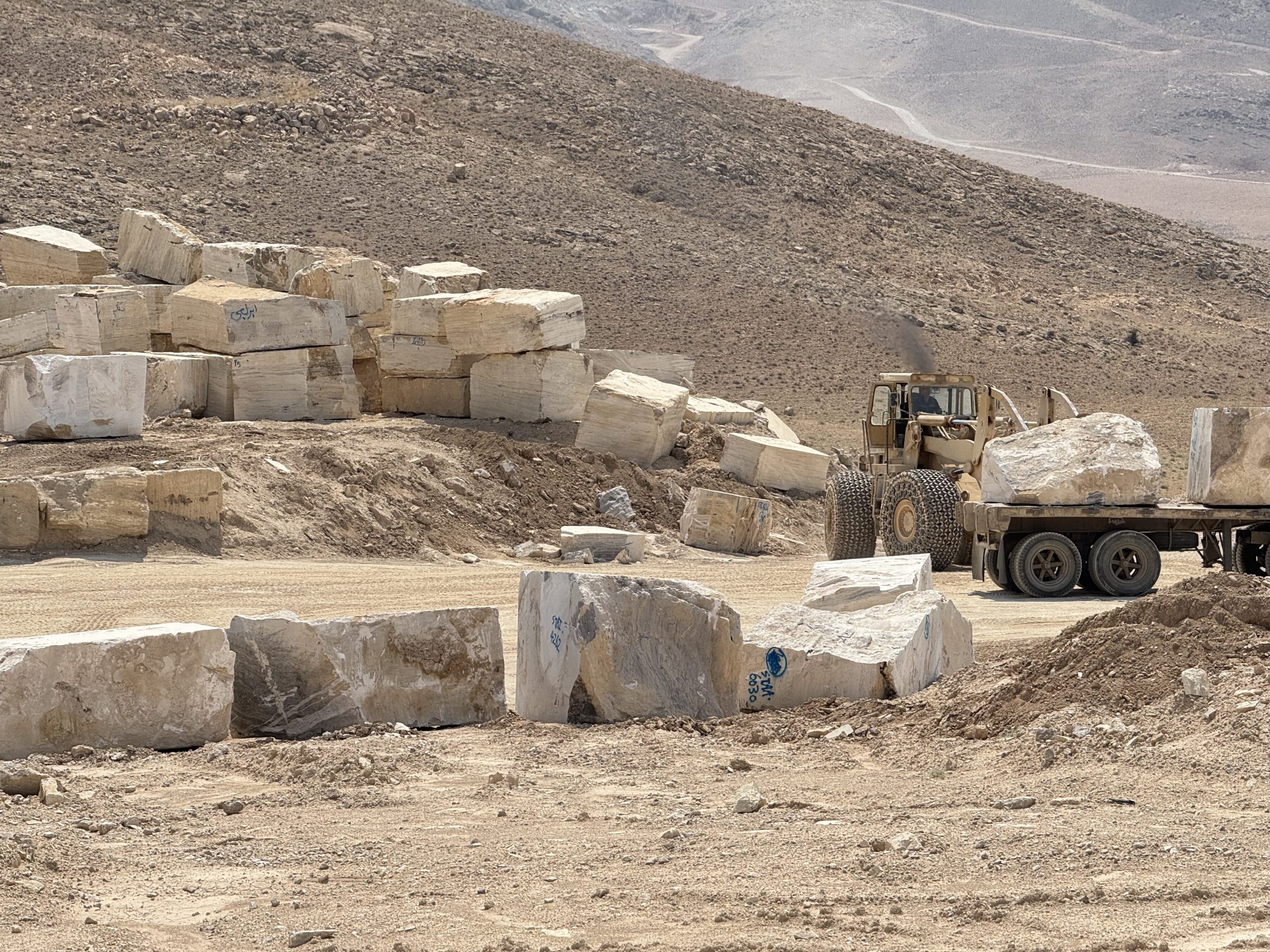

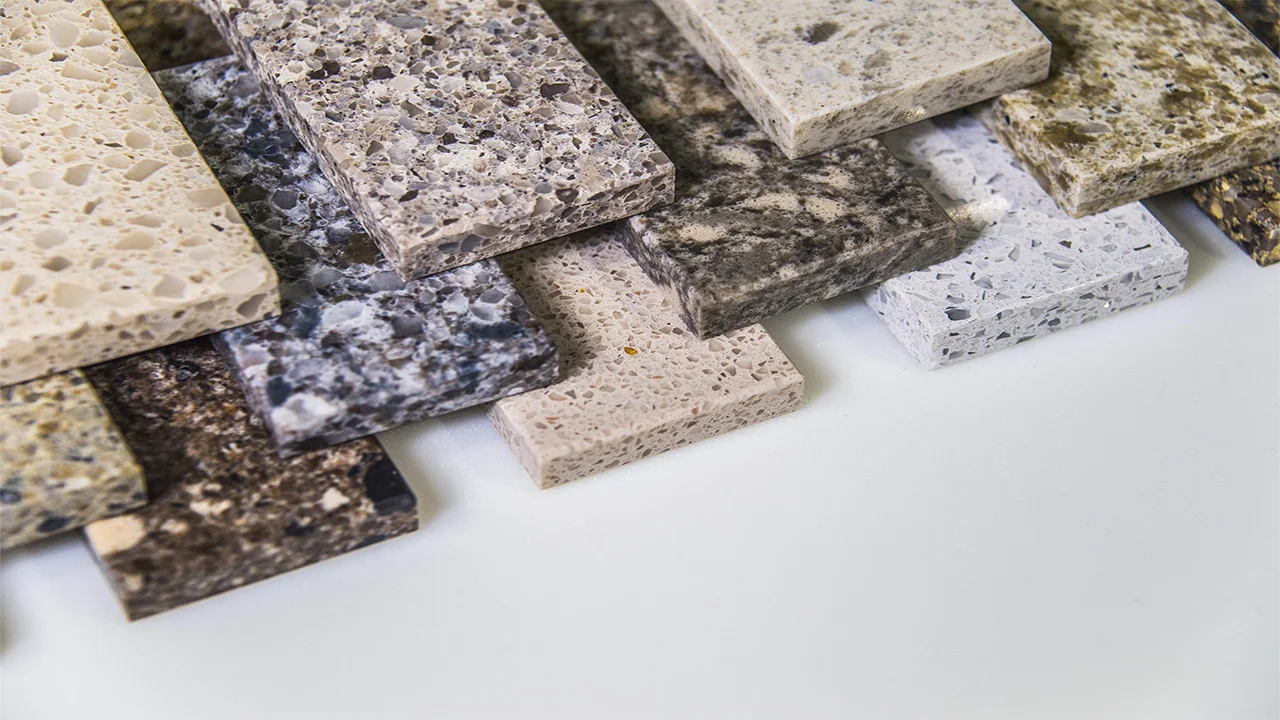
Natural stone has been shaping architecture and interior design for thousands of years. But today—more than ever—buyers, distributors, and project decision-makers want materials that are stylish, durable, sustainable, and long-lasting. If you’re just starting to explore natural stones like marble, granite, limestone, onyx, and travertine, this beginner’s guide will walk you through everything you need to know.
Whether you’re a supplier, contractor, or someone researching materials for large-scale projects, this comprehensive guide will help you understand the core differences between stone types, their properties, and the best applications for each. By the end, you’ll be able to confidently choose the right stone for your next project.
What Is Natural Stone?
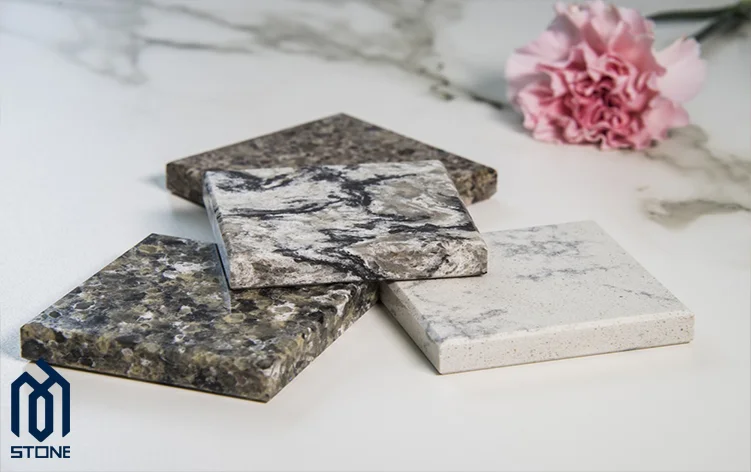
Natural stone is a solid material formed through geological processes over millions of years. Unlike artificial or engineered surfaces, each stone carries unique colors, patterns, and mineral compositions, making it impossible to duplicate.
What makes natural stone so popular?
- It is incredibly durable, often lasting for decades.
- It offers excellent heat, pressure, and impact resistance (especially granite and marble).
- It provides timeless aesthetics and adds value to any property.
- It is eco-friendly, requiring no chemical manufacturing.
Different stones have different strengths, textures, and characteristics, which is why understanding them is essential before making a selection.
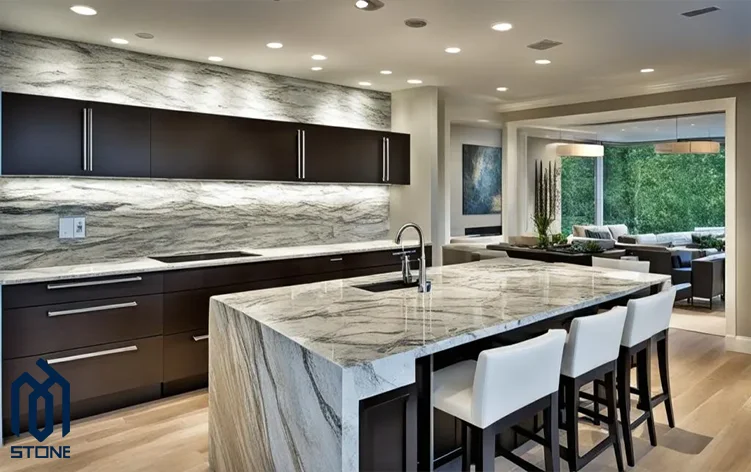
Types of Natural Stones and Their Properties
Below you’ll find an in-depth explanation of each stone type, including their geological formation, properties, durability, and best uses.
1. Marble: The Classic Luxury Stone
Marble is a metamorphic rock formed from limestone exposed to heat and pressure within the Earth. Its defining characteristics include fluid veins, soft elegance, and a polished finish. Marble has been associated with luxurious architecture and fine craftsmanship for centuries.
Key characteristics of marble include: smooth, polished surface, rich vein patterns, heat resistance, softer than granite but still durable, and available in a wide range of colors.
Where to Use Marble
Marble is recommended for interior flooring applications, wall cladding, bathroom vanities, staircases, hotel lobbies, and decorative elements and sculptures.
Its durability makes it ideal for low to medium-traffic areas where aesthetics are of utmost importance.
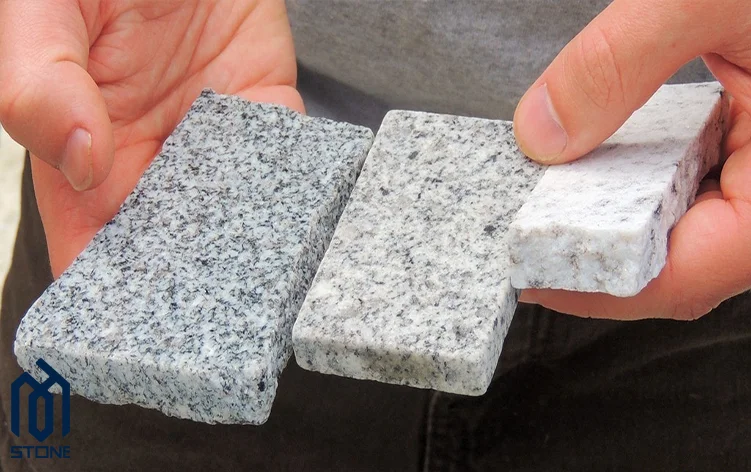
2. Granite: The Strongest and Most Durable Natural Stone
Granite is an igneous rock formed from cooled magma deep within the Earth. It is one of the hardest natural stones, known for resisting scratching, heat, stains, and pressure.
Key Properties of Granite include: Extremely durable, scratch-resistant, heat-resistant, Low porosity, and Suitable for high-traffic commercial applications.
Where Granite Is Used
Because of its strength and lifespan, granite is perfect for Kitchen countertops, Commercial flooring, Outdoor surfaces, public spaces, High-traffic hallways, and Industrial applications
Granite is the preferred choice for distributors and contractors who require reliability, long-term performance, and minimal maintenance.
3. Limestone: Soft, Natural & Minimalistic
Limestone is a sedimentary rock formed from the accumulation of marine organisms and natural minerals. Its soft, earthy appearance makes it ideal for projects requiring a natural, rustic, or minimalistic look.
Key Properties of Limestone include softer than marble and granite, a Natural, matte texture, porosity that requires sealing, Good thermal insulation, and Availability in neutral tones such as beige, cream, and gray.
Where Limestone Is Used
Limestone performs well in Exterior cladding, Garden pathways, Fireplaces, Low-traffic interiors, Decorative facades, and Architectural projects.
While limestone is not the hardest stone, it is prized for its natural, warm aesthetic and compatibility with modern architecture.
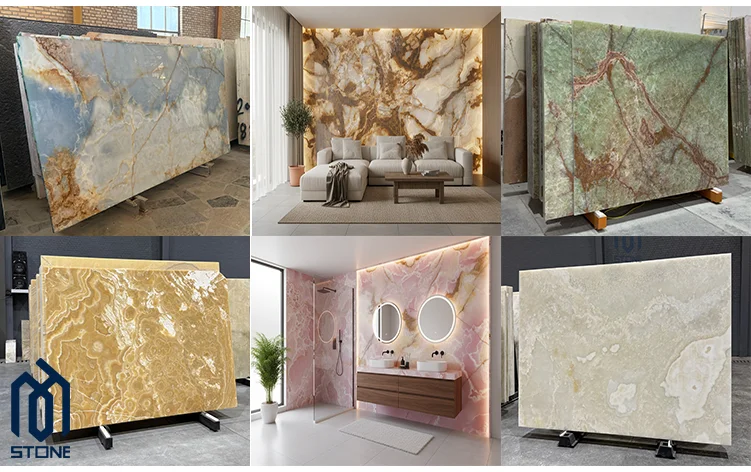
4. Onyx: The Decorative Gemstone of Interiors
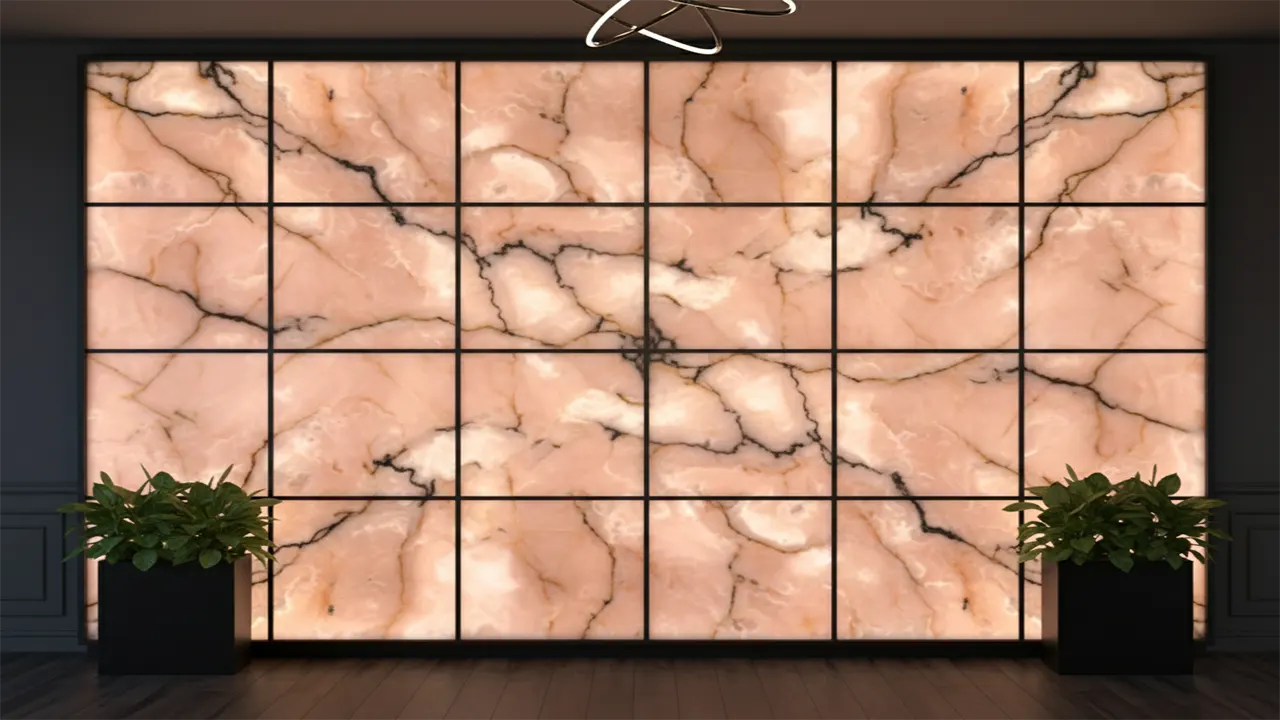
Onyx is a rare, translucent stone admired for its striking colors, dramatic patterns, and backlighting capabilities. It is highly decorative and often used to create statement pieces.
Key Properties of Onyx include Translucent (ideal for backlighting), Rich in color and bold veining, Softer and more fragile than marble, extremely unique and luxurious, and requires precise installation.
Where the Onyx slab Is Used
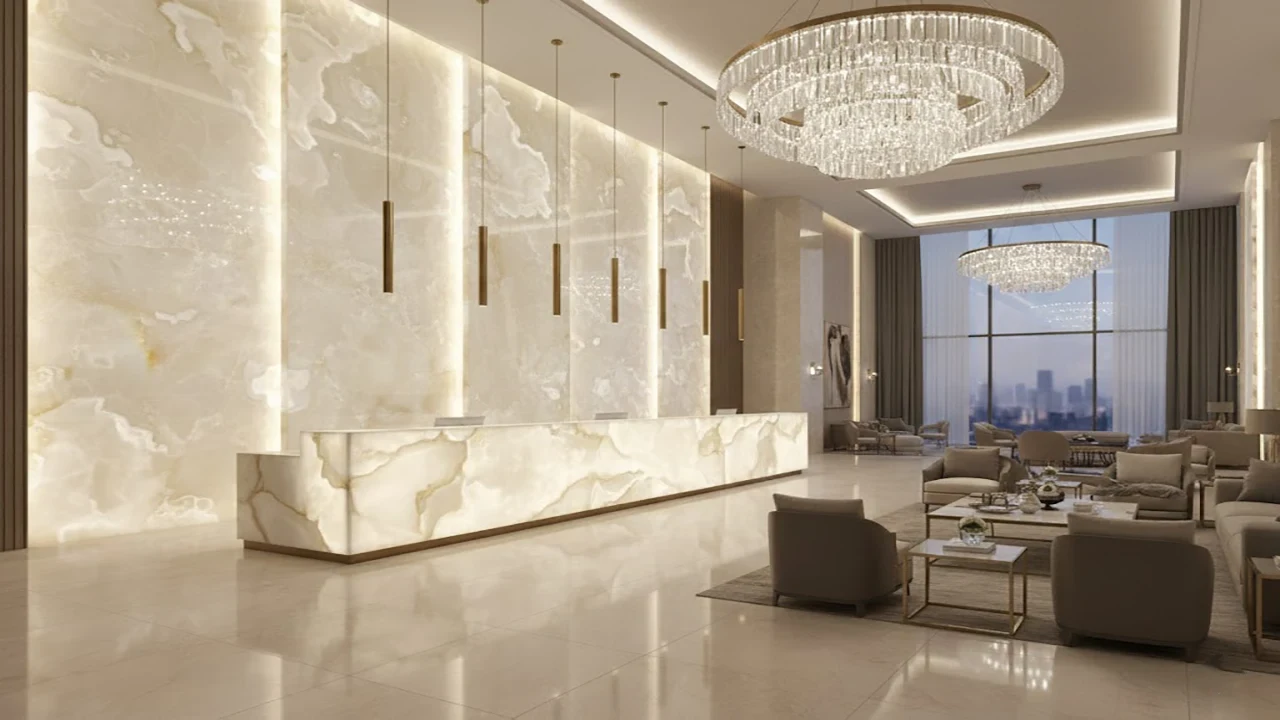
You’ll commonly find onyx slab in Backlit walls and panels, Bars and reception counters, Bathroom walls, Luxury hotel interiors, Decorative art panels, and Feature walls.
Onyx is less common in high-traffic flooring due to its delicacy, but its visual impact is unmatched, making it a premium choice for luxury applications.
5. Travertine: The Natural Textured Stone
Travertine is a type of limestone deposited by mineral springs. It has a distinct porous texture and has been used in architecture for more than 2,000 years, including in ancient Roman buildings.
Key Properties of Travertine include a naturally textured surface, Warm, earthy tones, durability when filled and sealed, Suitable for indoor and outdoor use, and Excellent slip-resistance when honed.
Where Travertine Is Used
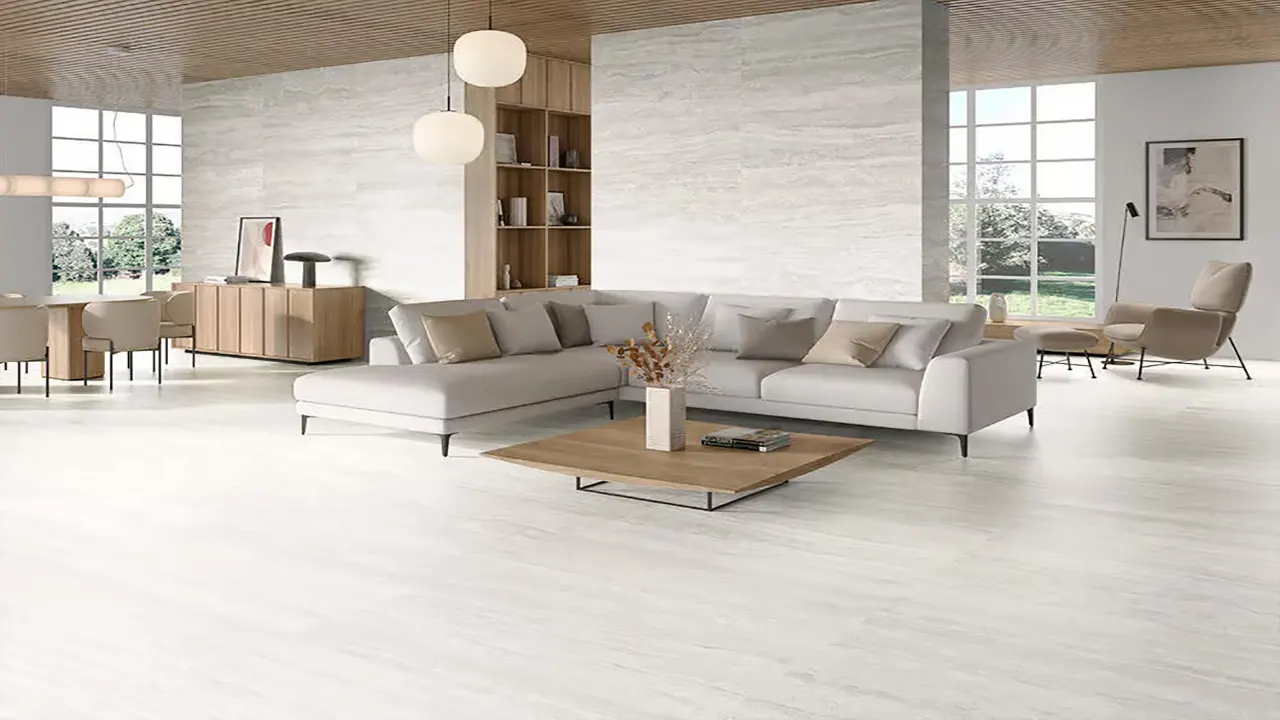
Travertine is common in Outdoor pathways, Pool decks, Patios and gardens, Living room flooring, Wall cladding, and Bathrooms. Travertine’s combination of texture and stability makes it a long-lasting material for both residential and commercial outdoor spaces.
Natural Stone Durability and Compatibility
One of the reasons natural stone remains in high demand is its outstanding durability. Each category has its own strength, but overall, natural stones are far more resilient than synthetic materials.
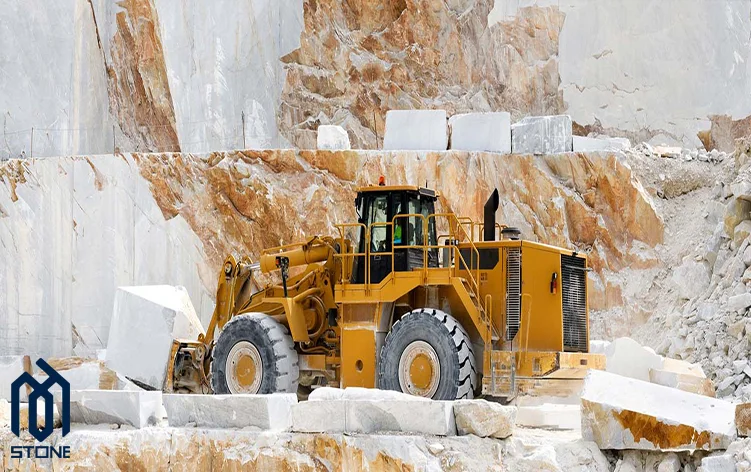
Comparing the Durability of Stone Types
- Granite →Highest durability, excellent for heavy use
- Marble →Durable but requires proper sealing
- Travertine →Long-lasting when sealed, great for outdoor use
- Limestone →Moderate durability for low-traffic areas
- Onyx →Best for decorative or feature installations
Compatibility with Different Applications
Natural stone is compatible with a wide range of architectural applications because it withstands things like temperature changes, humidity (if sealed), heavy loads, and UV exposure (especially granite and travertine).
This makes natural stone a long-term investment that enhances the building’s value, aesthetics, and structural integrity.
How to Choose the Right Natural Stone for Your Project
Choosing the right stone depends on: The location (indoor or outdoor), Traffic level, desired aesthetics, Budget, and Maintenance expectations.
For example:
• Granite is the best choice for heavy use (countertops, public buildings).
• Marble suits luxurious interiors.
• Travertine is ideal for outdoor landscapes.
• Onyx is used for artistic and decorative purposes.
• Limestone offers warm, natural tones for calm and neutral spaces.
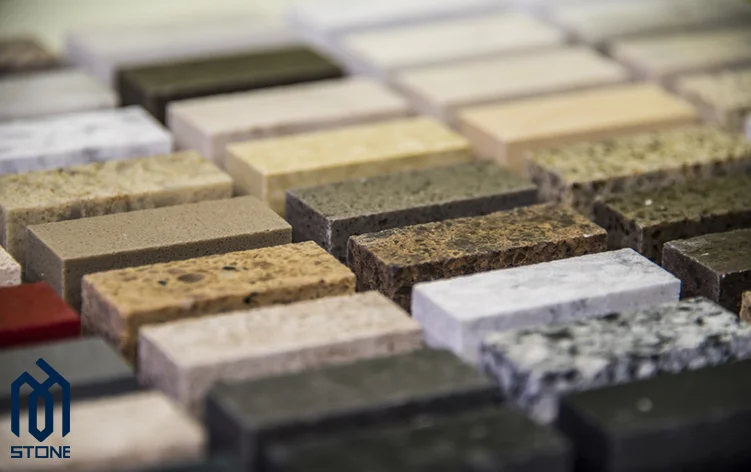
Benefits of Using Natural Stone
Natural stones offer a wide set of advantages:
1. Long-Term Durability: Most stones can last for decades without losing their beauty.
2. Heat and Scratch Resistance: Granite and marble withstand kitchen environments and high temperatures.
3. Design Flexibility: From modern minimalist to classic luxury—stone fits every design style.
4. Adds Value to Properties: Real estate with natural stone finishes commands higher prices.
5. Eco-Friendly Material: No chemical processes, low environmental impact, and fully recyclable.
Conclusion
Natural stone remains a timeless and reliable material for both interior and exterior projects. Whether you choose the strength of granite, the elegance of marble, the character of travertine, the uniqueness of onyx, or the warmth of limestone, each stone offers its own identity and performance benefits. Understanding their differences helps you make the right choice based on durability, aesthetics, and project needs.
With proper selection and maintenance, natural stones provide lasting beauty, structural strength, and long-term value—making them one of the smartest material investments in construction and design.
Frequently Asked Questions (FAQ)
1. Which natural stone is the most durable?
Granite is the strongest and most durable natural stone, ideal for heavy use, commercial spaces, and outdoor installations.
2. Is marble good for kitchen countertops?
Yes, but it requires sealing and maintenance because it is softer and more porous than granite.
3. Can onyx be used for flooring?
It can, but it is not recommended for high-traffic areas due to its softness. Onyx is better suited for decorative and backlit applications.
4. Is travertine suitable for outdoor environments?
Absolutely. Travertine performs exceptionally well outdoors, especially around pools, patios, and walkways.
5. What is the best stone for modern interior design?
Marble, limestone, and onyx are excellent choices for modern, luxurious interior spaces.