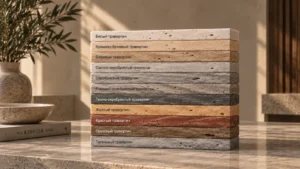
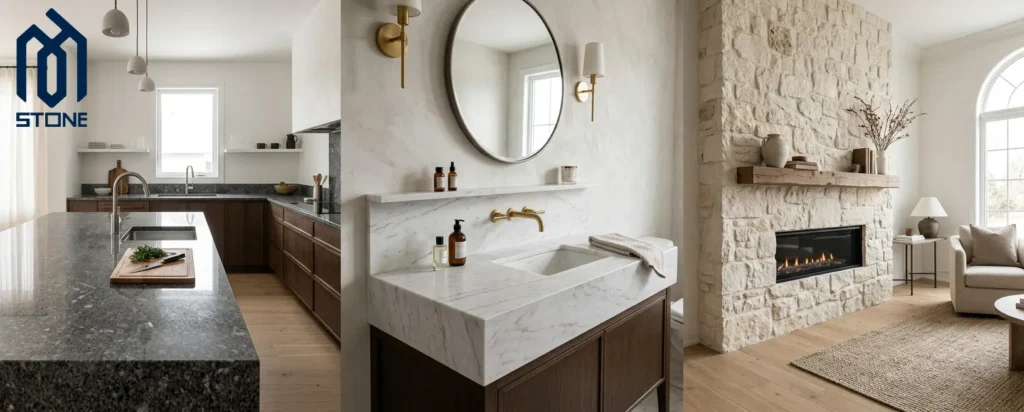
Choosing between limestone, marble, and granite depends on more than just appearance. Each natural stone has unique characteristics that make it suitable for different architectural and design applications. Limestone is widely appreciated for its warm, natural look and is often used for facades, wall cladding, and projects that require a timeless aesthetic.
Marble is known for its elegant veining and luxurious appearance, making it a popular choice for premium interiors, feature walls, and high-end spaces. Granite stands out for its exceptional durability and resistance to heavy use, making it ideal for demanding applications such as flooring, countertops, and high-traffic areas. In this guide, we compare limestone, marble, and granite to help you choose the right natural stone based on your project requirements, design goals, and maintenance expectations.
Durability Comparison: Is Limestone as Strong as Marble or Granite?
In durability evaluation, the internal structure of natural stones plays a major role in their performance. Granite is highly resistant to impact, scratching, and environmental weathering because of its dense and interlocking crystalline structure. Marble is durable but is more susceptible to chemical reactions with acidic substances, which may cause surface etching over time. Limestone is more porous and has lower compressive strength, but it can still perform well in interior spaces and low-traffic architectural applications. Considering limestone vs marble vs granite helps designers select the most suitable stone for each project.
Density and Compressive Strength
Density is a critical parameter in any comparison of natural stones. Granite’s high density and compact mineral composition allow it to withstand substantial structural loads, making it an ideal choice for high-traffic flooring systems. Marble has moderate density and performs effectively in interior architectural applications. Limestone is lighter and more porous; consequently, its compressive strength is lower in comparison to granite.
Resistance to Abrasion and Impact
In high-traffic environments such as hotel lobbies or commercial complexes, a stone’s resistance to abrasion is particularly important. Granite, due to its high hardness rating, offers excellent resistance to scratching and mechanical impact. Marble is more susceptible to surface scratches and may require periodic refinishing or polishing over time. Limestone is softer and can wear more rapidly in heavily trafficked areas. Therefore, for industrial facilities or high-traffic commercial settings, granite is generally considered the more dependable option.
Performance in Various Climatic Conditions
Climatic conditions directly influence the selection of the best stone for construction. Granite demonstrates strong resistance to freeze–thaw cycles, acid rain, and extreme temperature fluctuations. Marble requires more attentive maintenance in humid regions. Due to its higher porosity, limestone should be treated with protective sealants in very cold or moisture-prone climates to prevent water penetration and potential deterioration. However, in temperate and dry regions, limestone provides stable, durable, and cost-effective performance.
Limestone vs Marble vs Granite: Quick Comparison
The right natural stone depends on your project’s functional requirements, design goals, and maintenance expectations. The following comparison provides a quick overview of the key differences between limestone, marble, and granite.
| Granite | Marble | Limestone | Feature |
|---|---|---|---|
| High-traffic areas, commercial projects, countertops, heavy-use flooring | Luxury interiors, hotels, villas, feature walls, premium flooring | Exterior facades, wall cladding, landscaping, architectural projects with a natural look | Best suited for |
| Strong patterns, crystalline texture, and a wide range of colors | Elegant appearance with distinctive veining and a premium aesthetic | Warm, natural, uniform texture with earthy tones | Appearance |
| Very high durability and excellent resistance to wear | Durable but more sensitive to scratching and acidic materials | Good durability for architectural applications; requires proper selection based on environment | Durability |
| Lower porosity; generally requires less maintenance | Medium porosity; maintenance depends on finish and application | Higher porosity compared with marble and granite; sealing may be required | Water absorption |
| Low maintenance and suitable for demanding environments | Higher maintenance due to sensitivity to acids and stains | Moderate maintenance; sealing may be recommended for exterior and high-moisture areas | Maintenance requirements |
| Commercial buildings, public areas, kitchens, high-traffic flooring | Luxury residential, hospitality, decorative interiors, premium spaces | Building facades, exterior walls, landscape projects, traditional and natural designs | Recommended applications |
| Strength, durability, and long-term performance | Luxury appearance and unique patterns | Natural warmth, architectural character, and cost efficiency | Main advantage |
| Heavier appearance may not suit every design concept | Requires careful maintenance and application planning | Not ideal for highly abrasive environments without proper treatment | Main consideration |
Maintenance Requirements: Which Natural Stone Is Easier to Maintain?
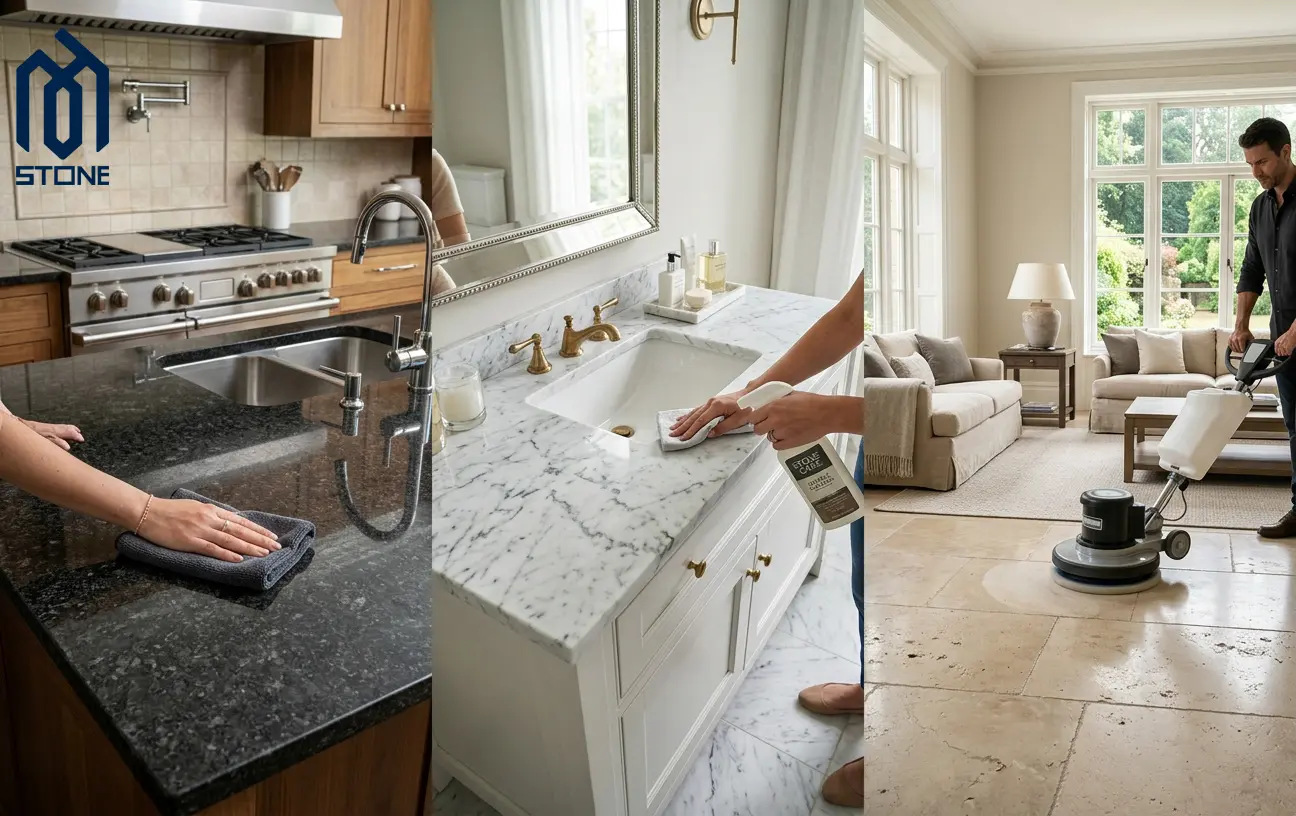
For many clients and property owners, the time and cost of maintaining building stone are significant considerations. In a natural stone comparison, granite requires the least routine maintenance. Marble needs more care to preserve its surface luster and prevent acid damage. Limestone, due to its higher water absorption rate, must be sealed regularly. Therefore, if you want a low-maintenance material, granite is often the most reliable choice. When evaluating limestone vs marble vs granite, maintenance requirements are important for long-term cost efficiency.
Periodic Sealing Requirements
Regular sealing plays a vital role in extending the service life of natural stone. Granite, because of its low porosity and minimal water absorption, requires sealing at longer intervals. Marble and limestone are both more porous and should be treated with appropriate protective sealants to prevent moisture infiltration and deterioration. In projects where ongoing access for maintenance is challenging, selecting a material with reduced sealing requirements can significantly lower future operational costs and simplify facility management.
Resistance to Staining and Acidic Substances
In kitchens and service areas, resistance to staining is a critical factor. Granite exhibits minimal stain absorption and offers strong resistance to many common household substances. Marble is sensitive to acidic materials such as vinegar or lemon juice and may develop etching or surface discoloration. Limestone, if not properly sealed, is also prone to absorbing contaminants and staining. Consequently, the intended function of a space plays a fundamental role in selecting among these natural stones.
Long-Term Maintenance Costs
In addition to the initial purchase price, long-term maintenance expenses must be evaluated. Granite, due to its durability and lower need for repair or refinishing, is often more cost-efficient over time. Marble may require periodic polishing and surface restoration. Limestone likewise demands consistent maintenance to preserve both its structural integrity and visual appeal. If reducing ongoing operational costs is a priority, choosing a more durable material can deliver greater economic efficiency throughout the building’s lifecycle.
Cost Comparison: Limestone vs Marble vs Granite Pricing
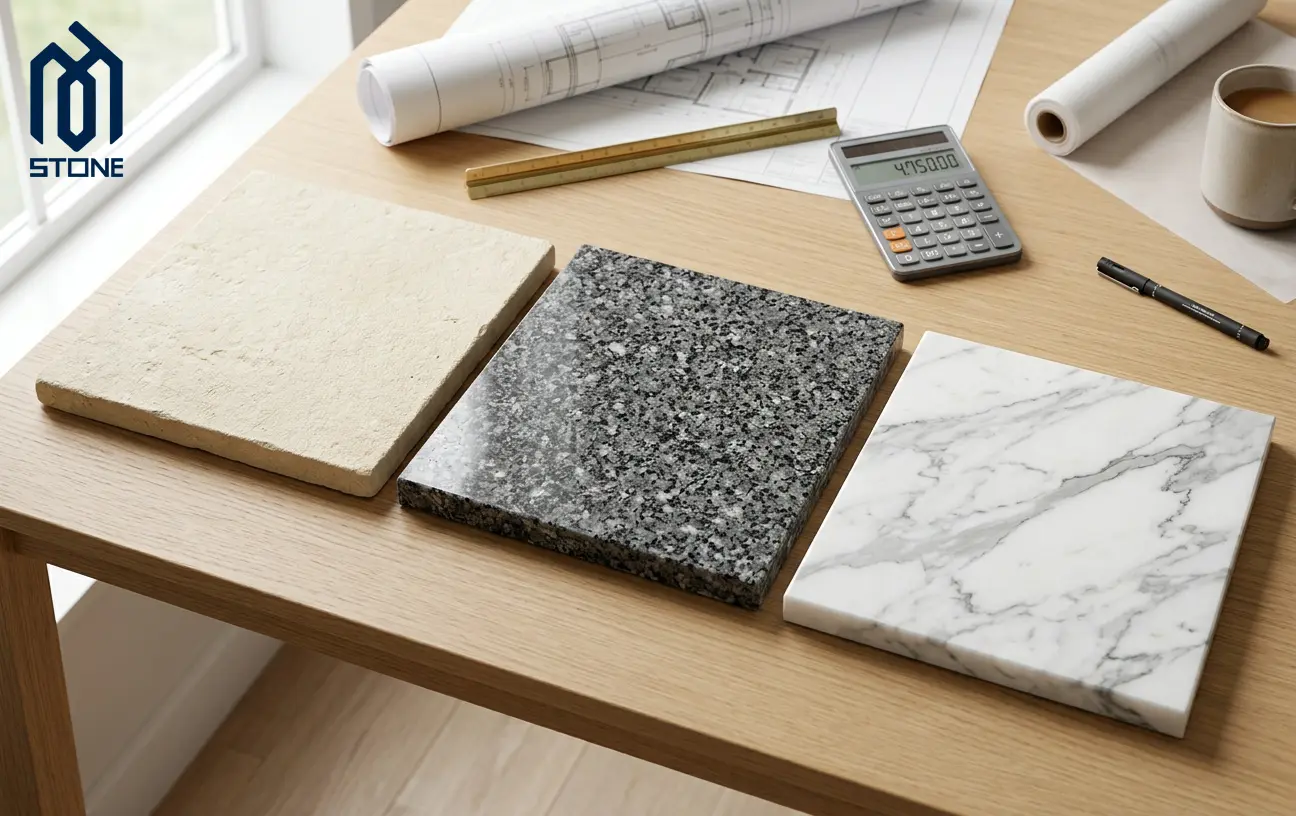
From a financial standpoint, price differences among these three stones are significant. Limestone is more affordable due to its abundance and simple extraction process, making it suitable for budget-limited projects. Marble is more expensive because of its luxurious appearance, veining patterns, and special finishing processes. Granite usually falls in the medium to high price range depending on quality and quarry source. In large projects, the price difference between limestone vs marble vs granite can strongly affect the overall construction budget, so choosing the best stone for construction should consider both cost and performance requirements.
Installation and Execution Costs
Installation and fabrication expenses are also important factors in a thorough natural stone comparison. Limestone, due to its lighter weight and higher workability, allows for easier cutting and installation, which may reduce labor costs. Granite, owing to its hardness, requires specialized cutting equipment and skilled workmanship. Marble must be handled with particular care during installation to prevent cracking or edge damage. In construction projects where execution speed is critical, ease of fabrication and installation can become a determining factor.
Long-Term Added Value
Certain building stones contribute not only to structural durability but also to increased property value. Marble, with its refined and luxurious character, adds significant value to high-end residential and commercial properties. Granite, because of its strength and resilience, offers a competitive advantage in commercial developments. Limestone, with its lower initial cost, enables expansive façade applications within limited budgets. A strategic and informed selection can achieve a balance between cost efficiency and strong visual impact.
Aesthetic Differences: Texture, Color, and Architectural Style
Visual appeal is one of the most influential factors in any natural stone comparison. Marble, with its natural veining and polished surface, creates a luxurious and classic aesthetic. Granite, characterized by its granular texture and diverse color range, is well suited to modern and industrial architectural designs. Limestone, with its light tones and relatively uniform texture, conveys a sense of simplicity and warmth. When evaluating limestone vs marble vs granite, the selection among these three options should align with the architectural identity of the project, design vision, and desired visual impact.
Color and Pattern Variation
Marble offers the widest variety of colors and veining patterns among natural stones. Granite typically features a granular structure and darker tones. It is an ideal choice for high-traffic and functional areas such as kitchen countertops, cabinet worktops, public flooring, staircases, and similar applications. Limestone is generally found in lighter shades such as cream, beige, and gray. For minimalist and bright interior spaces, limestone is an excellent selection. If a bold and distinctive statement is desired, marble is the more suitable option and creates a stronger visual impact in interior design.
Compatibility with Architectural Styles
In classical architecture, marble is regarded as an authentic and striking material. Granite is widely used in modern, commercial, and high-traffic spaces. Limestone has gained significant popularity in minimalist, sustainable, and Mediterranean design approaches. Coordinating the stone selection with architectural style, lighting design, and the color palette of complementary materials is essential. A well-informed choice of building stone can reinforce the visual identity of a project and enhance the overall property value.
The Impact of Lighting on Stone Appearance
Lighting can significantly influence how natural stone is perceived in an architectural space. The interaction between light, stone color, mineral composition, and surface finish affects the material’s visual depth and overall appearance.
Marble is often selected for premium interiors because polished surfaces can create a refined, luminous effect by reflecting and diffusing light across its natural veining. Granite offers a stronger visual character, with its appearance depending on mineral composition, color variation, and the chosen finish. Limestone typically provides a softer and warmer aesthetic, with lighter varieties helping create bright and open spaces.
For architects and project designers, selecting the right stone is not only about color and pattern but also about how the material performs under different lighting conditions. Surface finish selection, such as polished, honed, or textured finishes, can significantly change the way each stone interacts with natural and artificial light.
Conclusion
The choice between limestone, marble, and granite ultimately depends on project requirements, budget considerations, and environmental conditions. Granite is well suited for projects that demand high durability and minimal maintenance. Marble provides a luxurious and enduring aesthetic but requires more attentive care. Limestone, with its cost-effectiveness and natural appearance, offers a rational balance between economy and visual appeal. A careful evaluation of priorities will enable you to select the best stone for construction with confidence and clarity.
Frequently Asked Questions about Limestone vs Marble vs Granite
1. Which is better for a building project: limestone, marble, or granite?
It depends on the project requirements. Limestone is ideal for facades and architectural applications, marble is preferred for luxury interiors, and granite is best for high-traffic areas requiring maximum durability.
2. Is granite more durable than marble and limestone?
Yes. Granite generally offers higher resistance to scratches, wear, and heavy use compared with marble and limestone, making it suitable for demanding applications such as commercial flooring and countertops.
3. Can limestone be used for exterior applications?
Yes. Limestone is widely used for exterior facades, wall cladding, and architectural projects. However, the stone selection, climate conditions, and surface finish should be considered before specification.
4. Which natural stone requires the least maintenance?
Granite generally requires less maintenance due to its density and durability. Marble and limestone may require more care, especially in areas exposed to acids, moisture, or heavy use.