



No products in the cart.
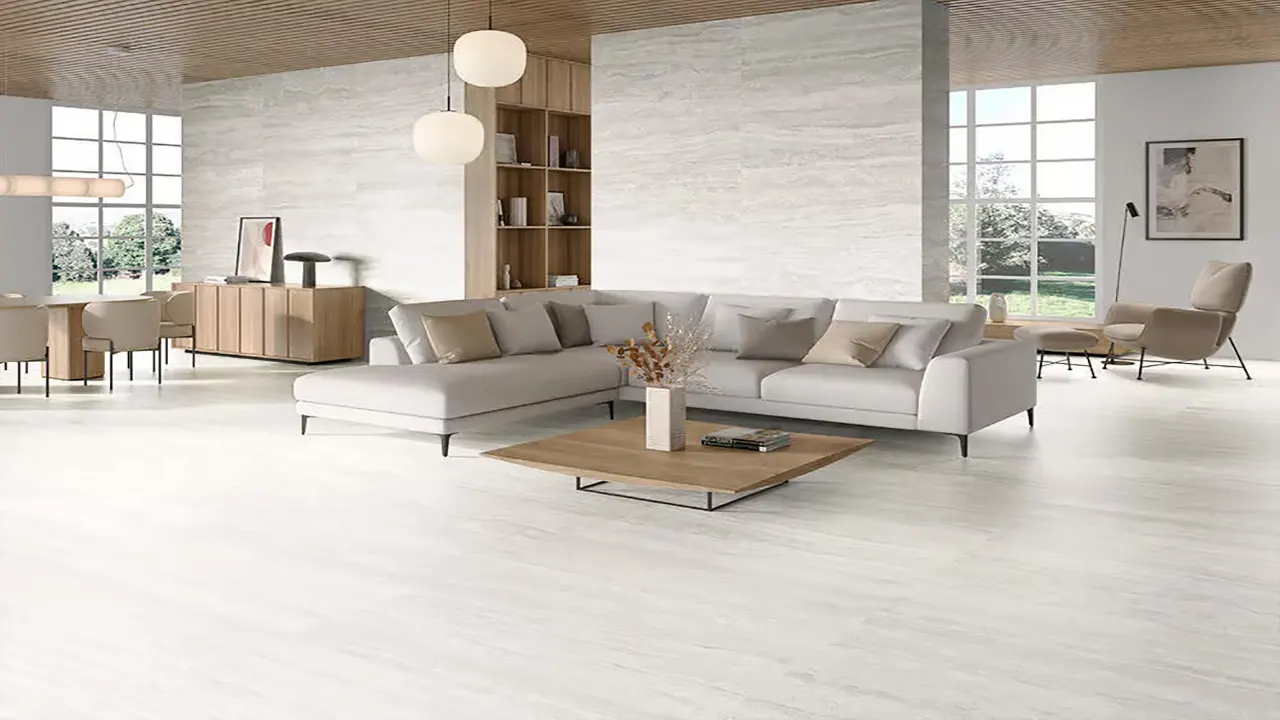
Natural stones have always played a key role in architecture and interior design, but few materials combine timeless beauty, durability, and versatility as effectively as white travertine.
From ancient Roman structures to modern minimalist villas, this natural stone has remained a preferred choice for architects, designers, and builders around the world.
In recent years, growing interest in natural, sustainable, and elegant materials has brought white travertine back into the spotlight. Its soft neutral tones, distinctive texture, and wide range of applications make it suitable for both classic and contemporary projects.
In this article, we will explore what white travertine is, how it is formed, its key characteristics, and the most common white travertine across architectural and design projects.
If you are considering natural stone for your next project, this guide will help you understand the true value and application of white travertine.
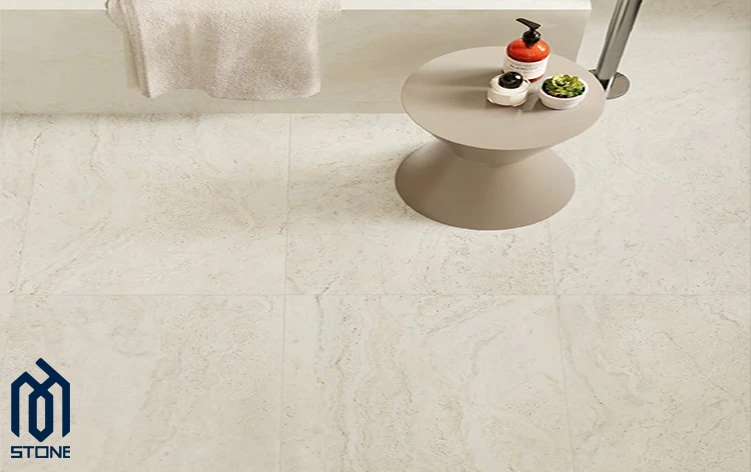
What Is White Travertine?
White travertine is a natural sedimentary stone formed primarily from calcium carbonate deposits. It belongs to the limestone family and is created near mineral springs, especially hot springs, where dissolved calcium carbonate precipitates over time.
What sets white travertine apart from other natural stones is its unique porous structure and subtle color palette, ranging from pure white to creamy ivory and light beige tones. These characteristics give the stone a warm, natural appearance that enhances both indoor and outdoor spaces.
When people ask what white travertine is, the answer goes beyond its geological definition. It is a material that represents elegance, history, and architectural flexibility, making it one of the most widely used natural stones worldwide.
How White Travertine Is Formed
Understanding how white travertine is formed helps explain its distinctive texture and performance characteristics.
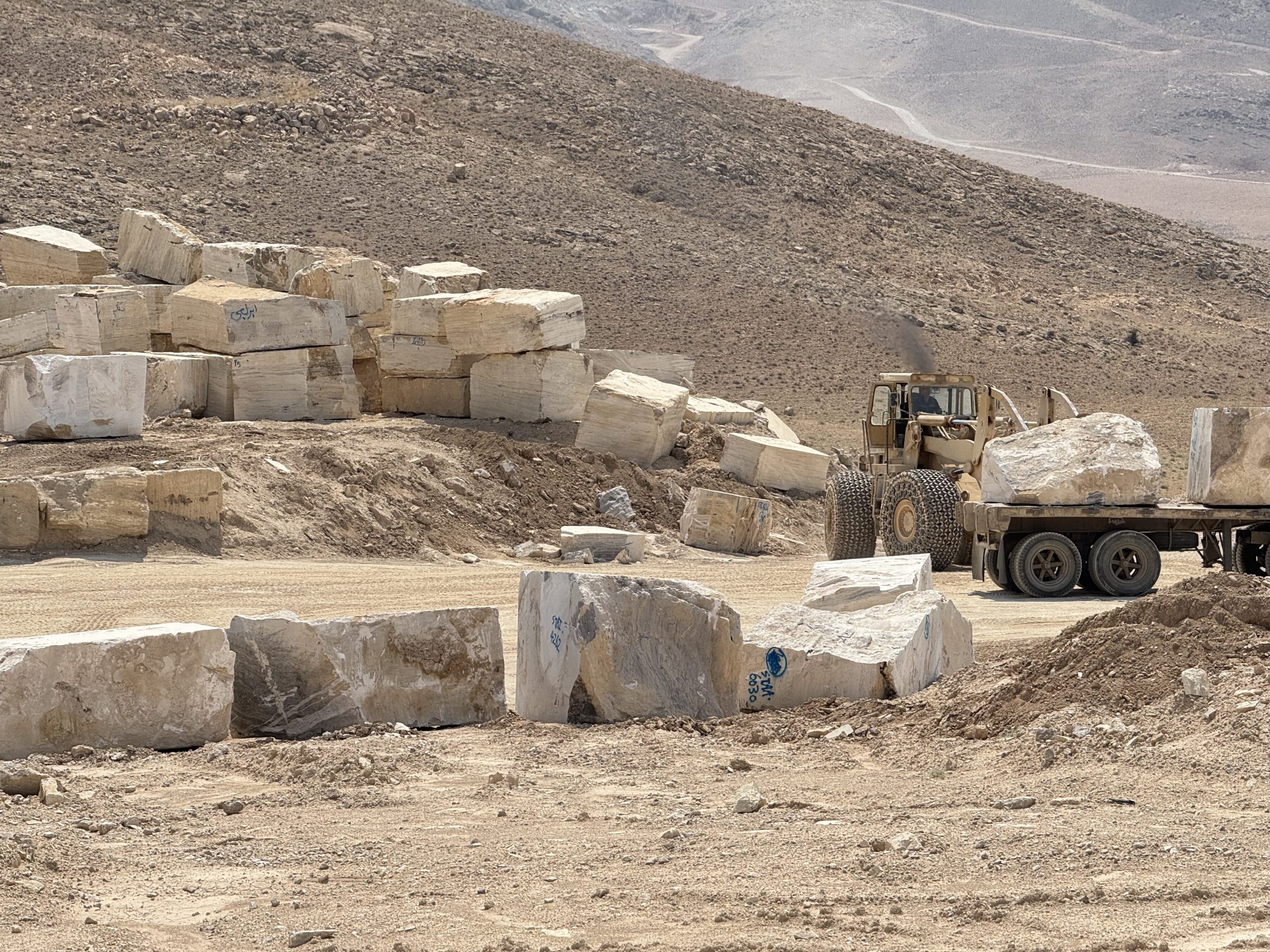
White travertine forms when calcium-rich water flows through limestone or marble deposits. As the water reaches the surface and loses carbon dioxide, calcium carbonate precipitates and gradually accumulates in layers. Over thousands of years, these layers solidify into stone.
During this natural process:
- Air bubbles and organic materials create natural voids and pores
- Layered deposition results in subtle veining and movement
- Mineral purity influences the final color, producing lighter shades in white travertine
These natural formations make every slab of white travertine unique, adding character and authenticity that cannot be replicated by artificial materials.
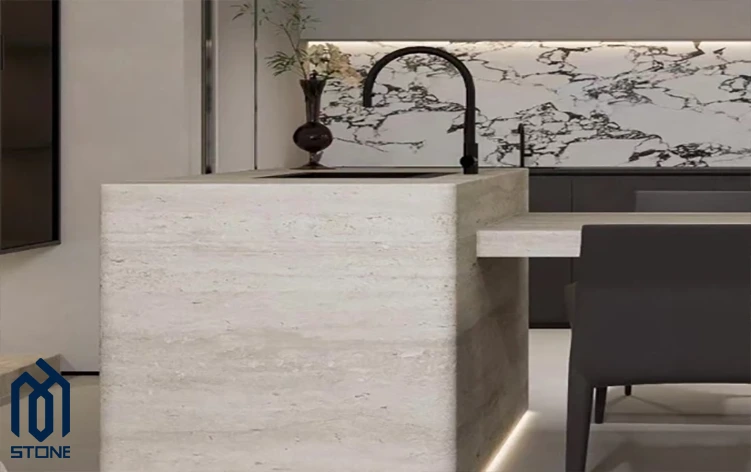
Key Characteristics of White Travertine
White travertine is valued not only for its appearance but also for its functional properties. Some of its most important characteristics include:
1. Natural Aesthetic Appeal: White travertine offers a soft, elegant look that blends seamlessly with different design styles. Its neutral color enhances natural light and creates a calm, sophisticated atmosphere.
2. Porous Texture: The stone’s natural pores give it a distinctive texture. Depending on the application, these pores can be filled for a smoother surface or left unfilled for a more rustic appearance.
3. Durability and Strength: When properly selected and installed, white travertine is strong and long-lasting, making it suitable for both residential and commercial projects.
4. Versatile Finishes: White travertine can be processed into various finishes, including Honed, Polished, Brushed, and umbled. Each finish affects the stone’s appearance, slip resistance, and ideal usage.
5. Thermal Comfort: Travertine remains cool underfoot, even in warm climates, which makes it particularly popular for flooring and outdoor applications.
These combined characteristics play an important role in material selection decisions, especially when evaluating long-term value and factors such as travertine slab price, which often varies by finish, quality, and specific project requirements.
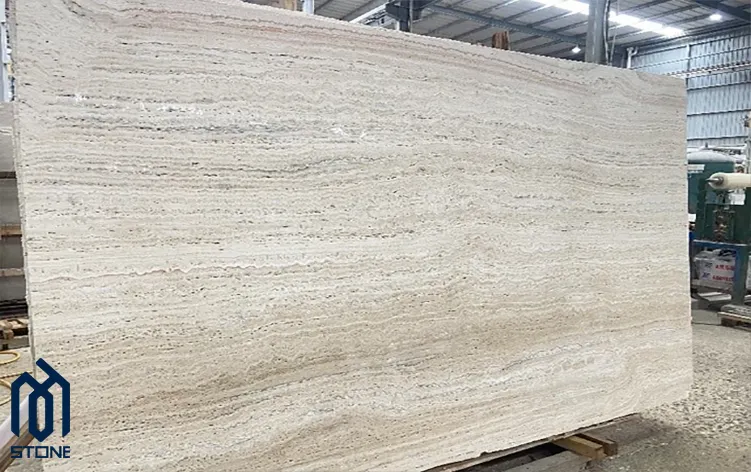
Common Applications of White Travertine
One of the main reasons for the global popularity of this stone is the wide range of white travertine uses in architecture and design.
Interior Applications
- Flooring: Living rooms, hallways, and luxury interiors benefit from its elegant appearance.
- Wall cladding: Adds texture and depth to interior walls.
- Bathrooms: Used for walls, floors, and vanity tops due to their spa-like aesthetic.
- Fireplace surrounds: Creates a refined focal point.
Exterior Applications
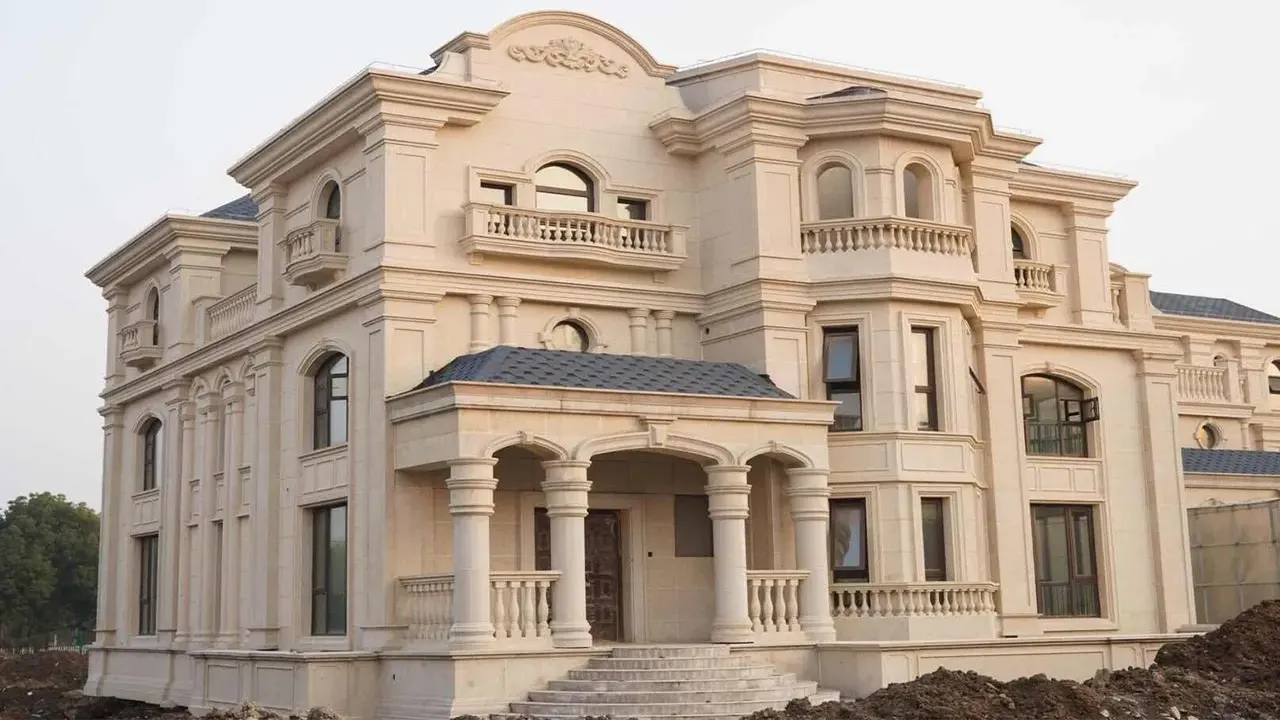
- Building facades: Enhances architectural value with a timeless look.
- Outdoor flooring: Patios, terraces, and walkways.
- Pool surrounds: Its cool surface and slip-resistant finishes are ideal for pool areas.
Commercial and Architectural Projects
- Hotels and resorts
- Office buildings
- Shopping centers
- Cultural and public spaces
These diverse applications of white travertine make it a preferred choice for projects that demand both beauty and performance.
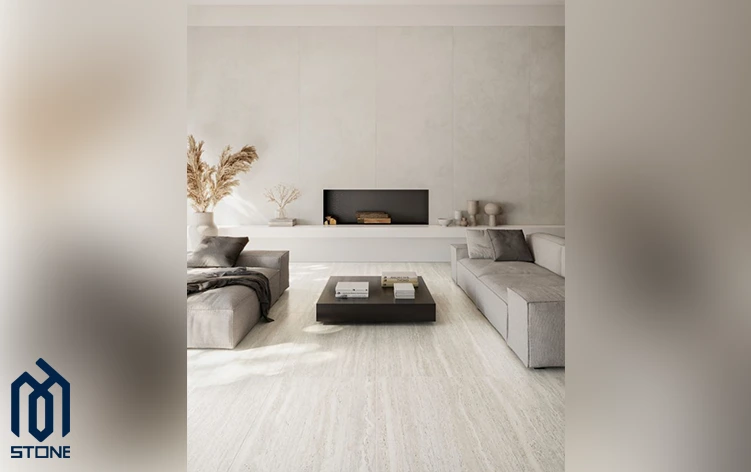
Advantages of Using White Travertine
Choosing white travertine offers several advantages compared to other natural and artificial materials:
Timeless Design: White travertine remains a timeless choice. Its classic appearance ensures long-term aesthetic value.
High Versatility: It complements various architectural styles, from traditional to modern and minimalist designs.
Natural and Sustainable Material: As a natural stone, white travertine aligns with sustainable construction principles when responsibly sourced.
Value Addition: Properties that use natural stone often experience higher perceived value and market appeal.
Customization Options: Different cuts, finishes, and sizes allow designers to tailor the stone to specific project needs.
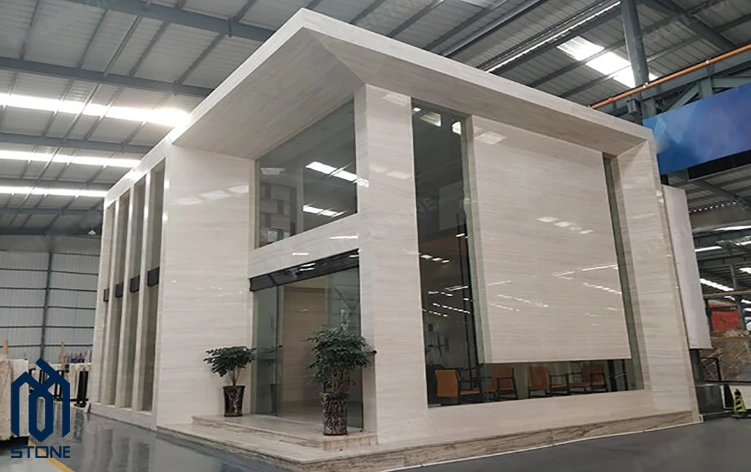
White Travertine in Modern Architecture
In modern architecture, simplicity, natural materials, and light color palettes play a central role. White travertine fits perfectly within these design philosophies. Architects frequently use white travertine to:
- Create clean, minimalist facades
- Add warmth to concrete and glass structures
- Enhance indoor-outdoor continuity
- Emphasize natural textures in modern spaces
The subtle movement and organic texture of the stone prevent modern designs from feeling cold or sterile, while maintaining a sleek and contemporary appearance.
As a result, white travertine uses continue to expand in modern villas, luxury apartments, and high-end commercial buildings worldwide.
White Travertine for Architectural and Large-Scale Projects
MOT Stone works closely with architects and project managers to supply white travertine tailored to modern construction and design requirements. From facade stone to interior applications, our team supports material selection with technical insight and reliable supply.

Conclusion
White travertine is more than just a building material; it is a timeless natural stone that combines beauty, durability, and architectural flexibility. By understanding what white travertine is, its formation process, and the wide range of applications of white travertine, architects, designers, and buyers can make informed decisions for their projects.
From elegant interiors to striking facades and contemporary architectural designs, white travertine uses continue to evolve, proving its lasting relevance in the world of natural stone. For projects that demand authenticity, sophistication, and long-term value, white travertine remains an exceptional choice.
Frequently Asked Questions (FAQs)
1. What is white travertine best used for?
White travertine is best used for flooring, wall cladding, facades, bathrooms, and outdoor spaces such as patios and pool surrounds.
2. Is white travertine suitable for outdoor use?
Yes, when properly sealed and finished, white travertine performs well in outdoor environments and various climates.
3. Does white travertine require maintenance?
Like all natural stones, white travertine requires periodic sealing and routine cleaning to maintain its appearance and durability.
4. How does white travertine compare to marble?
White travertine has a warmer, more textured appearance compared to marble and is often more slip-resistant, making it suitable for a wider range of applications.
5. Is white travertine a good choice for modern design?
Absolutely. Its neutral color, natural texture, and compatibility with minimalist aesthetics make it a popular option in modern architecture.
Related Posts
July 21, 2025
What is Travertine?
Travertine is one of the most well-known and widely used natural stones in architecture and…