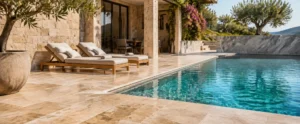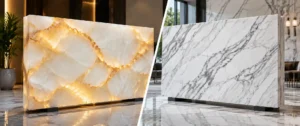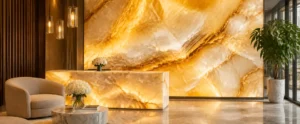
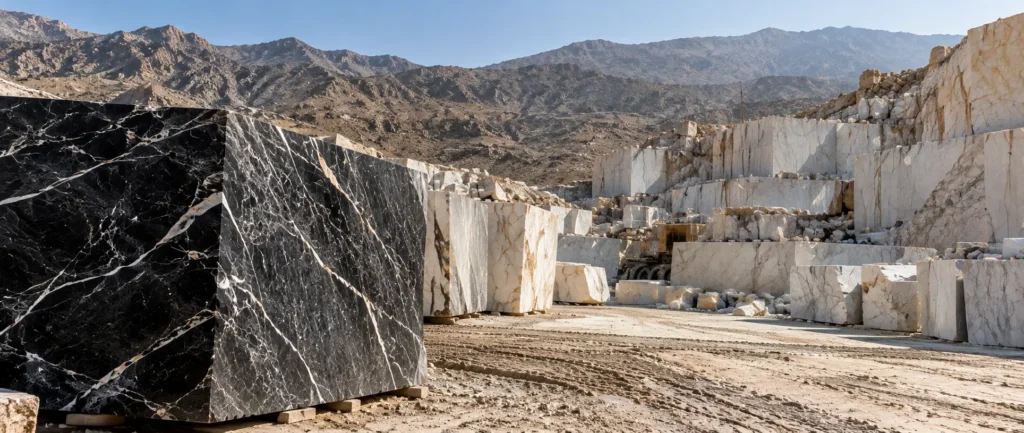
Iran is home to a diverse range of natural stone deposits, including marble, travertine, granite, onyx, and limestone. Natural stone quarries in Iran are known for producing materials with distinctive colors, patterns, and characteristics, offering valuable sourcing opportunities for international importers, distributors, architects, and construction companies.
From the renowned marble quarries of Dehbid to the travertine deposits of Mahallat and the granite sources of Natanz, Iran’s stone-producing regions provide a wide selection of materials for architectural and commercial projects. However, sourcing natural stone involves more than identifying a quarry. Consistent quality, material availability, processing capabilities, and reliable international delivery are equally important.
MOT Stone connects international buyers with Iran’s natural stone industry through its network of quarry partners, stone processors, and suppliers. By coordinating stone selection, processing, quality inspection, and export logistics, MOT Stone helps buyers source blocks, slabs, and cut-to-size products according to their project requirements.
In this guide, we explore the most famous natural stone quarries in Iran, their locations, and the characteristics of the stones they produce, while highlighting the country’s sourcing potential for international natural stone projects.
Why Is Iran Known for Its Natural Stone Quarries?
Iran is recognized for its diverse natural stone resources, with quarries producing travertine, marble, granite, onyx, and limestone in a wide variety of colors and patterns. The country’s geological diversity makes natural stone quarries in Iran an important source of materials for architectural, construction, and interior design projects.
Several factors contribute to Iran’s position in the international natural stone industry:
- Diverse Stone Varieties: Iranian quarries produce everything from light-colored travertine and beige marble to dark granite, decorative onyx, and limestone, offering options for different architectural requirements.
- Distinctive Colors and Patterns: Natural formations create a broad selection of stone appearances, including uniform neutral shades, dramatic veining, and contrasting mineral patterns.
- Established Stone-Producing Regions: Areas such as Mahallat, Dehbid, Natanz, and Azarshahr are associated with well-known Iranian natural stones, giving buyers access to different materials from multiple regions.
- Processing Capabilities: Iran’s stone industry includes factories equipped for cutting, polishing, and preparing blocks, slabs, tiles, and custom-sized products for different markets.
- International Sourcing Opportunities: The combination of quarry resources and processing facilities allows overseas buyers to explore material options for wholesale distribution and architectural projects.
From Quarry Resources to International Supply
Access to natural stone deposits is only one part of successful international sourcing. Buyers also need suitable material grades, reliable processing, quality inspection, and coordinated logistics.Through its network of quarry partners and processing facilities, MOT Stone helps connect international buyers with Iranian natural stone resources. The company supports material selection, processing, quality checks, and export coordination, helping customers source stone products according to their specific project requirements.
This combination of geological diversity and sourcing expertise makes Iran a valuable market for international natural stone procurement.
Major Natural Stone Quarrying Regions in Iran
Natural stone quarries in Iran are distributed across several provinces, each known for distinctive stone varieties, colors, and geological characteristics. Understanding these regions helps international buyers, architects, and distributors identify potential sources of natural stone for different projects.
The following table highlights some of Iran’s major stone-producing regions and their best-known materials.
| Province | Major Quarrying Areas | Notable Natural Stones | Main Characteristics |
|---|---|---|---|
| Markazi | Mahallat, Nimvar | Travertine | White, ivory, cream, and beige stones widely used in architectural facades |
| Isfahan | Natanz, Lashotor and surrounding areas | Granite, marble, travertine | Dark granite, grey marble, and diverse decorative building stones |
| Fars | Dehbid, Neyriz | Marble, crystalline limestone | Cream and beige marble, along with light-colored crystalline stone |
| East Azerbaijan | Azarshahr | Red and yellow travertine | Distinctive warm colors suitable for decorative architectural applications |
| Lorestan | Aligudarz and surrounding areas | Marble, crystalline limestone | Light-colored and crystalline stones used in architectural surfaces |
| Yazd | Various quarrying districts | Granite, marble, crystalline limestone | A variety of stone colors and textures for construction and interior applications |
The Importance of Quarrying Regions for Stone Sourcing
Each region offers different stone characteristics and sourcing opportunities. However, quarry location alone does not determine material quality or availability. International buyers should also consider stone grading, production capacity, processing options, and transportation requirements.
Through its network of quarry partners and stone processors, MOT Stone helps international buyers explore natural stone options from different Iranian regions and coordinate sourcing according to their project specifications.
Famous Natural Stone Quarries in Iran
Iran has several internationally recognized natural stone sources, known for producing travertine, commercial marble, granite, and crystalline limestone. Among the most notable natural stone quarries in Iran are Abbasabad, Atashkooh, and Hajiabad, alongside established stone-producing areas such as Dehbid, Lashotor, Natanz, and Neyriz.
These names represent both individual quarries and wider quarrying districts. Understanding their products and characteristics helps international buyers identify suitable materials for architectural and construction projects.
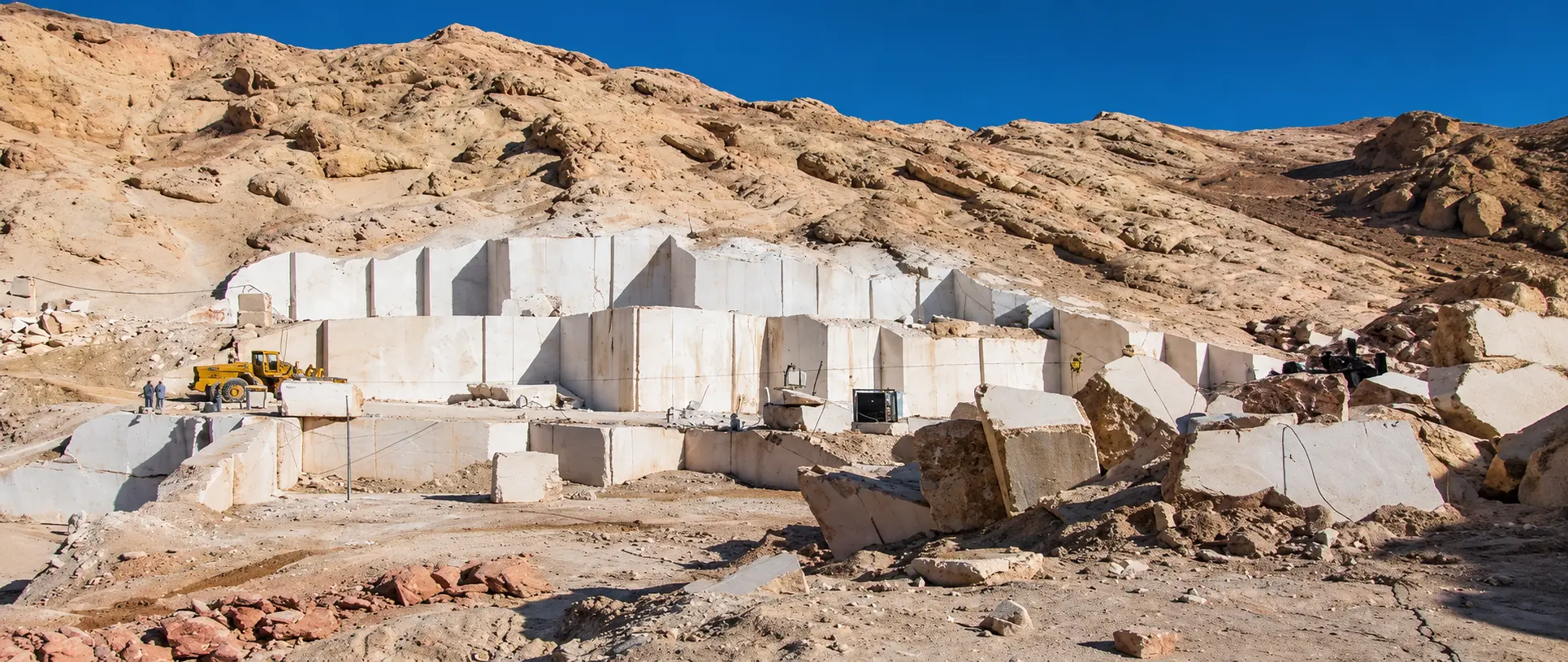
1. Abbasabad Travertine Quarry – Markazi Province
- Located near Mahallat in Markazi Province, Abbasabad is one of Iran’s best-known sources of light-colored travertine.
- Its stone is recognized for white, ivory, and light cream shades, with variations in natural veining and pattern depending on the selected grade.
- Abbasabad travertine is commonly considered for luxury building facades, exterior cladding, and architectural projects that require a bright, refined appearance.
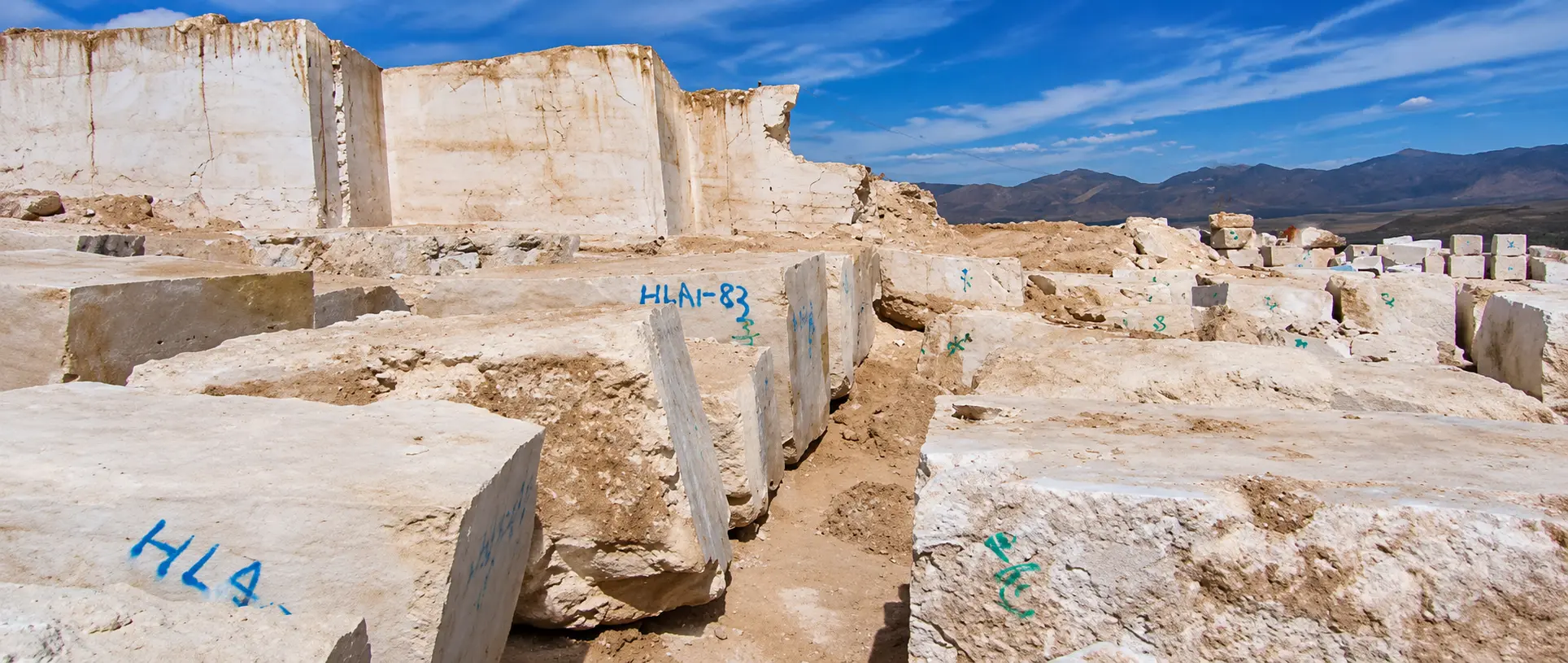
2. Atashkooh Travertine Quarry – Markazi Province
- Atashkooh is another established travertine quarry in the Mahallat region. It is particularly associated with white and light-colored travertine featuring subtle natural patterns.
- Its appearance makes it attractive for modern, minimalist, and neoclassical architecture, especially where designers want light stone surfaces with relatively restrained color variations.
- For projects requiring visual consistency, buyers should compare available grades and approve representative samples before ordering.
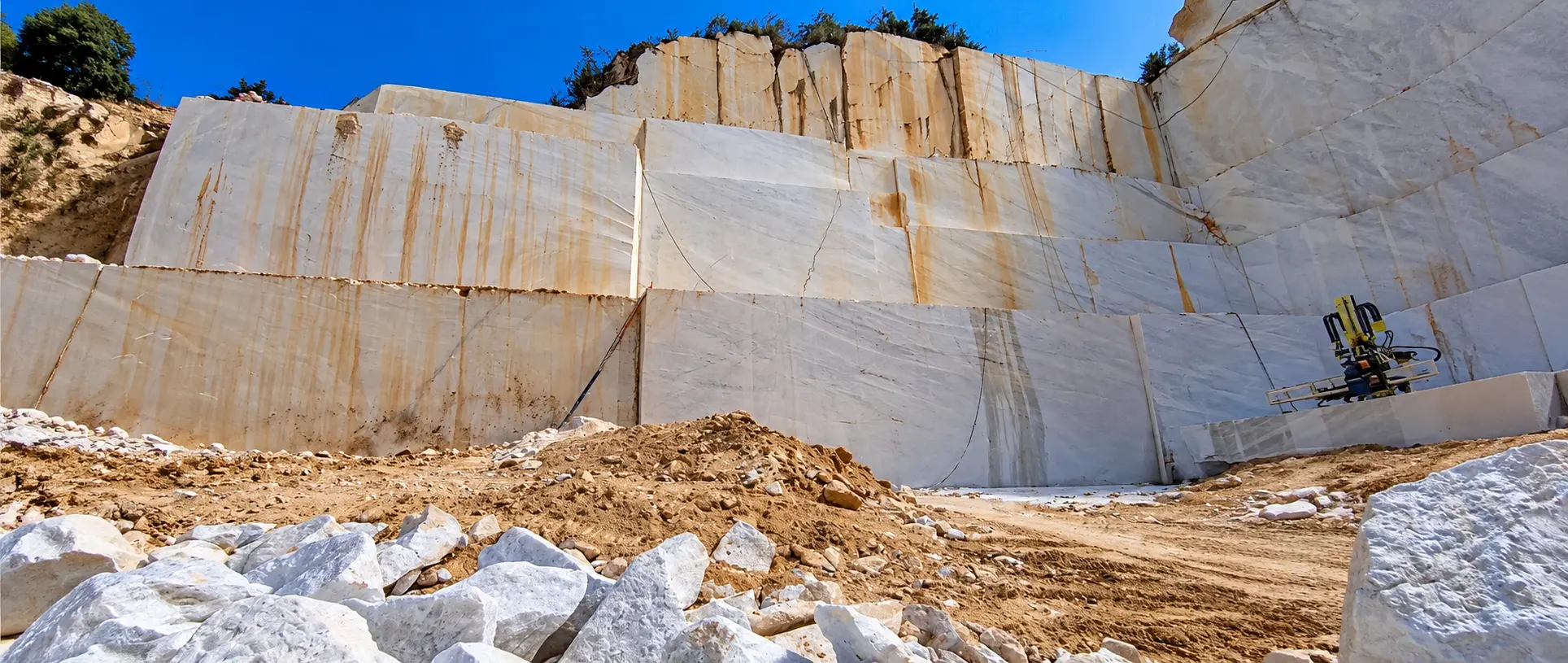
3. Hajiabad Travertine Quarry – Markazi Province
- Hajiabad is known for travertine in cream, beige, and warmer earthy shades. Depending on the material selection, the stone may display natural bands, veining, and variations in color intensity.
- These characteristics make Hajiabad travertine an option for residential facades, villas, and architectural projects featuring warm, neutral palettes.
- International buyers should evaluate the available color range and processing quality when selecting material for large-scale applications.
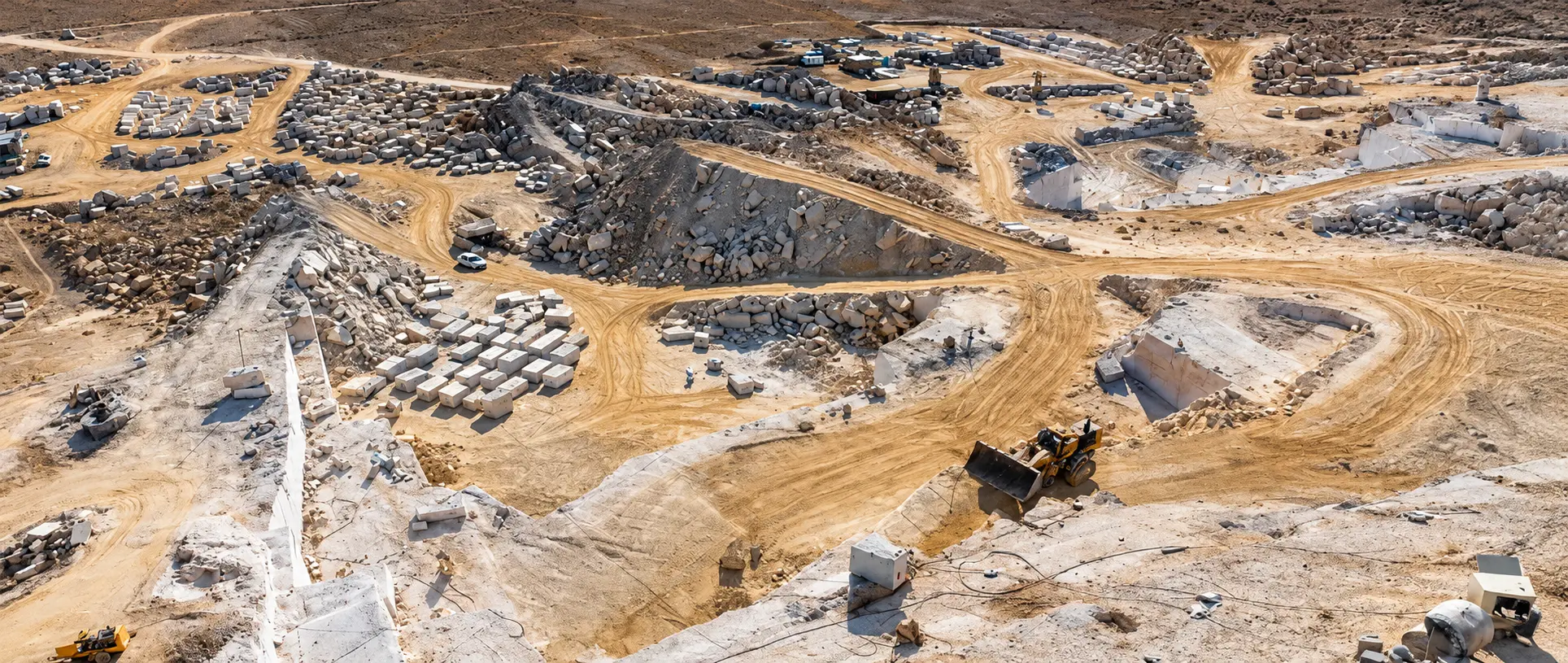
4. Dehbid Marble Quarrying Area – Fars Province
Dehbid, located in Fars Province, is one of Iran’s recognized commercial marble-producing areas. The name is associated with several quarry sources and stone varieties rather than a single uniform product.
- Dehbid marble is particularly known for cream and beige tones, often accompanied by subtle natural veining.
- It is widely used in luxury flooring, interior wall cladding, staircases, and commercial interiors where a warm and elegant stone appearance is desired.
- For international sourcing, distinguishing between Dehbid varieties and grades is essential because their visual characteristics may differ.
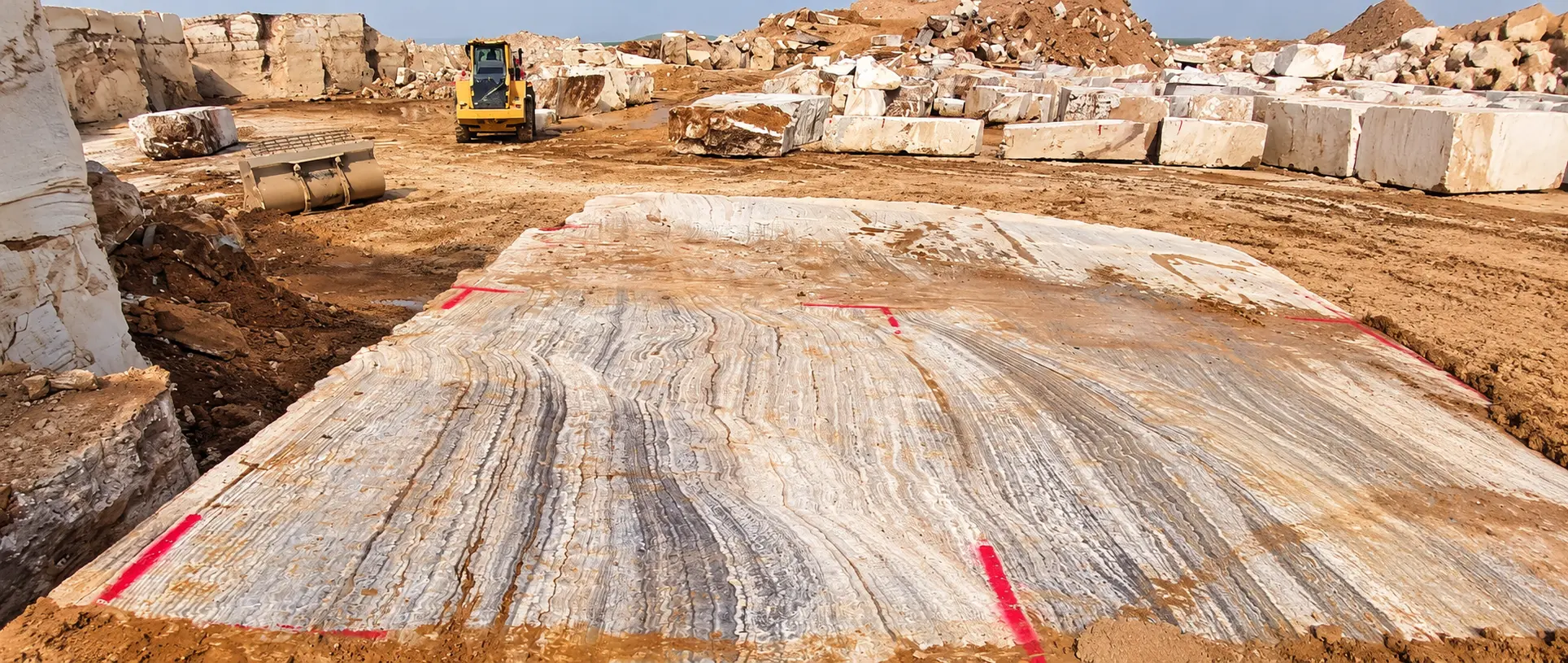
5. Lashotor Marble Quarries – Isfahan Province
- The Lashotor quarrying area in Isfahan Province is known for the dark grey stone commercially marketed as Pietra Grey Marble.
- This stone typically features a deep grey background with fine white veins, creating a distinctive appearance suitable for contemporary architectural projects.
- Common applications include interior feature walls, flooring, staircases, and decorative surfaces. Its contrasting patterns also make it a popular choice for projects combining natural stone with metal, glass, or lighter materials.
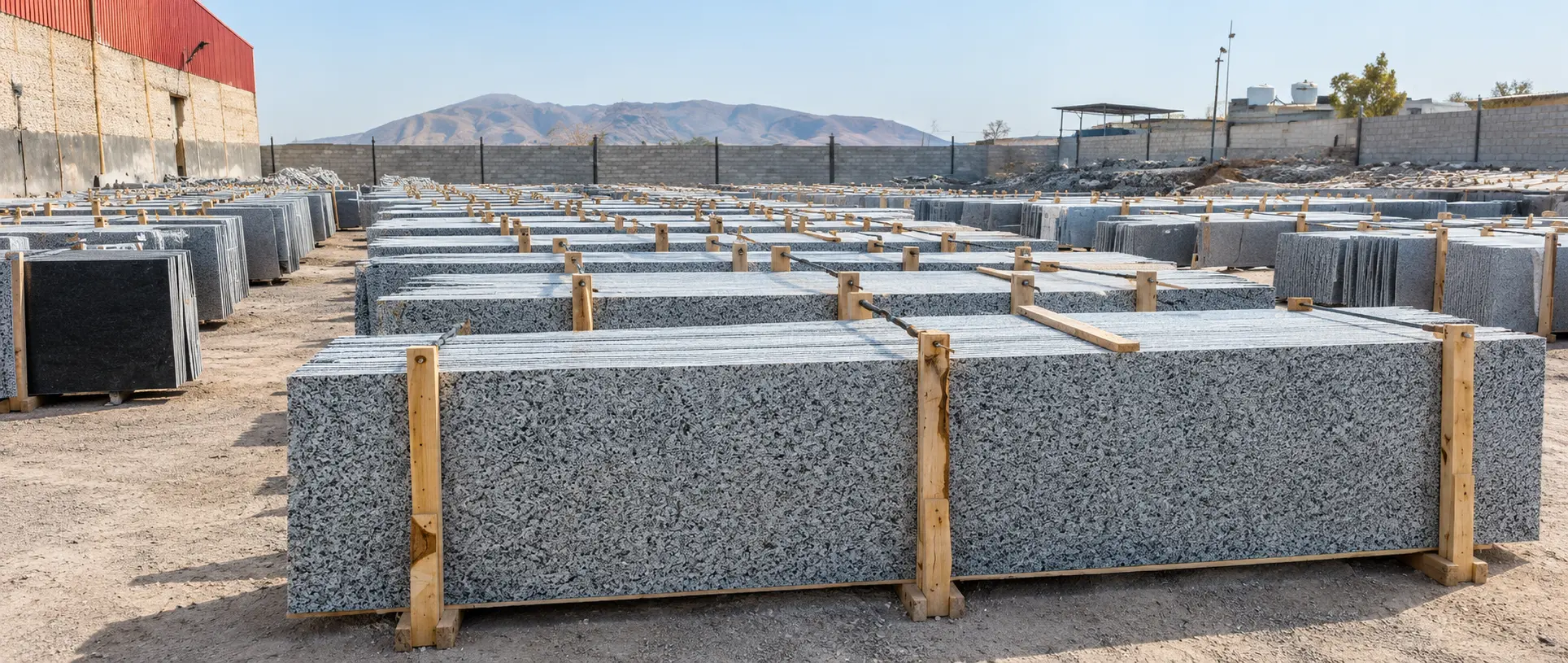
6. Natanz Granite Quarries – Isfahan Province
- Natanz is a recognized granite-producing area in Isfahan Province, particularly associated with dark and black granite varieties.
- Natanz black granite is used in architectural projects where a dark, relatively consistent appearance is required.
- Potential applications include flooring, staircases, wall cladding, and selected exterior installations, depending on the stone’s tested properties and project conditions.
- Buyers should review the specific variety, surface finish, and production batch because the intensity and uniformity of the black color can vary.
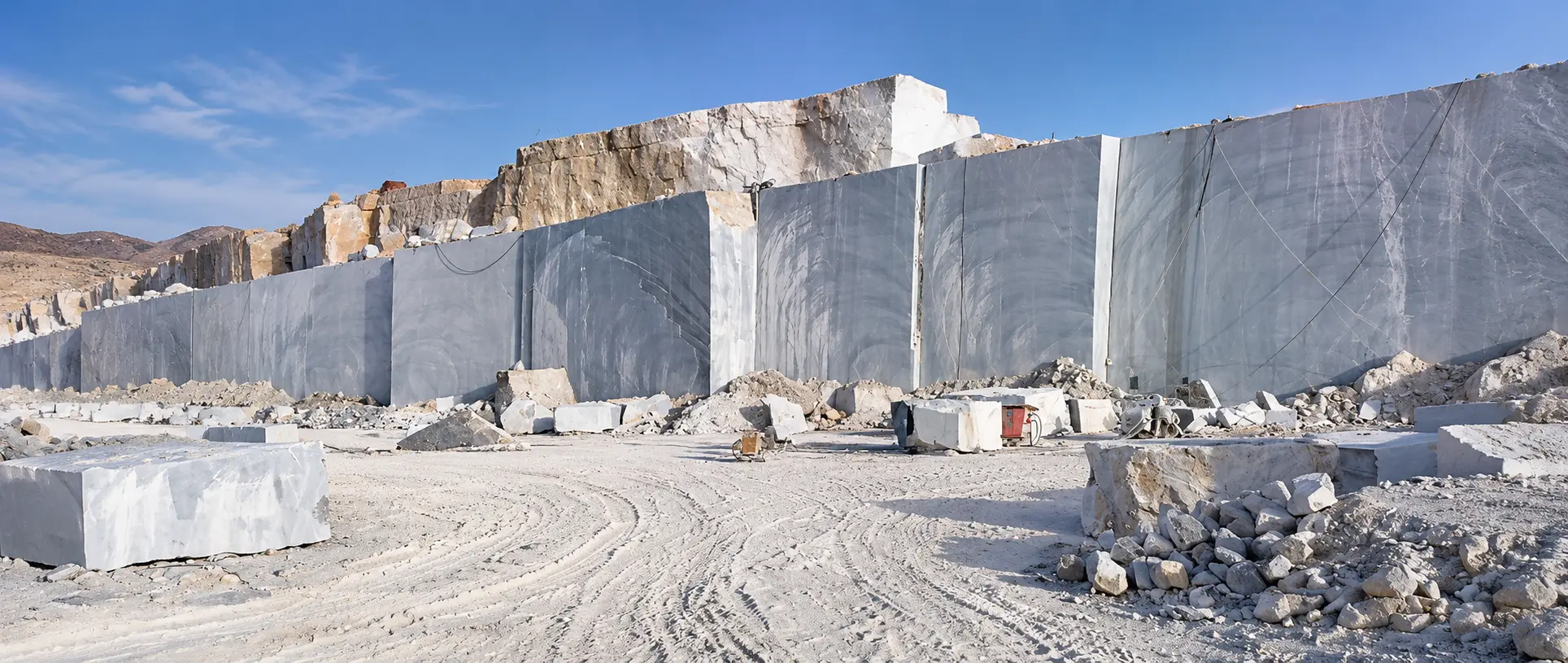
7. Neyriz Crystal Stone Quarries – Fars Province
- Neyriz, in Fars Province, is associated with light-colored crystalline building stones, often marketed internationally under names such as Neyriz Crystal or Crystal Marble.
- These stones commonly feature white to light grey backgrounds with natural grey veining or crystalline patterns.
- Their appearance makes them suitable for interior flooring, wall cladding, and architectural surfaces where designers seek a bright natural stone with visible mineral texture.
- As commercial classifications vary, buyers should confirm the geological and technical specifications of the selected stone.
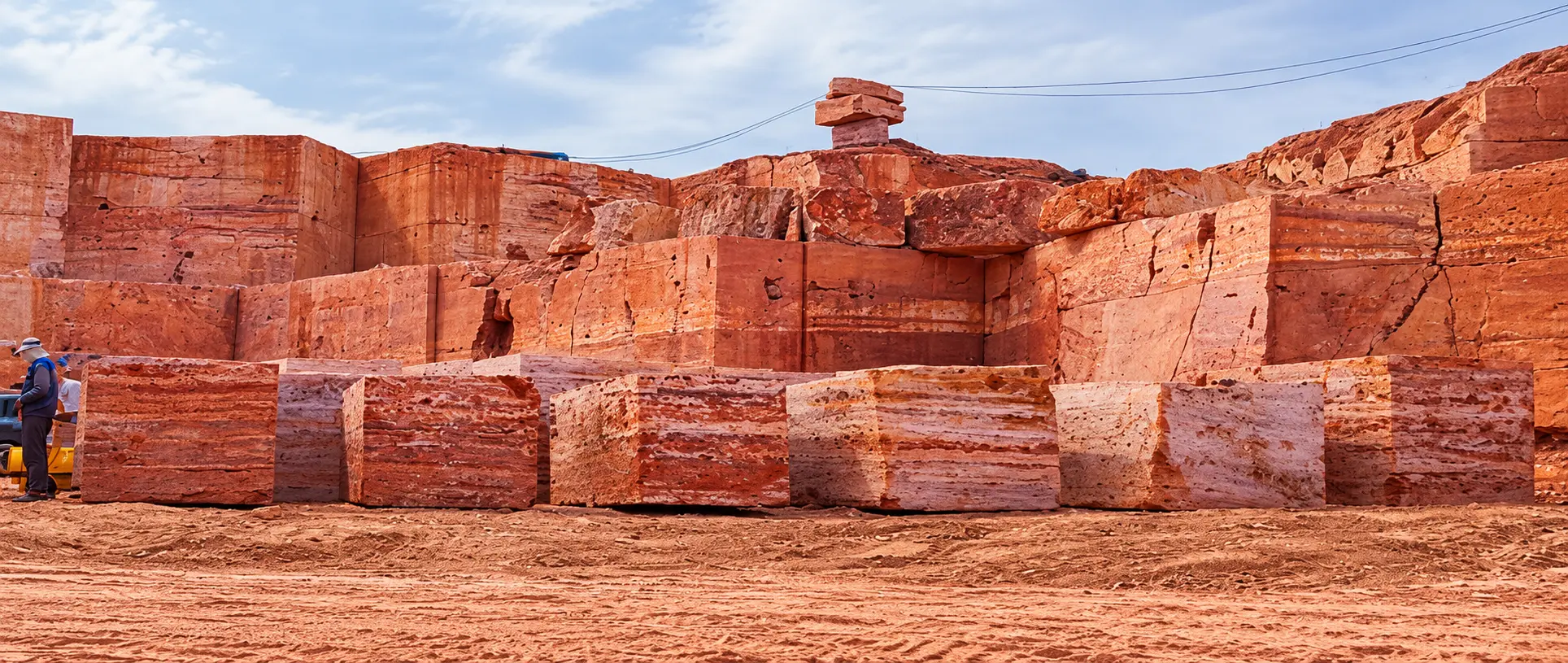
8. Azarshahr Travertine Quarries – East Azerbaijan Province
- Azarshahr, located in East Azerbaijan Province, is known for distinctive red and yellow travertine varieties.
- Unlike the neutral tones commonly associated with Iranian travertine, stones from this region can offer stronger colors suitable for expressive architectural designs.
- Red and yellow travertine may be used for decorative walls, architectural accents, selected facade elements, and projects requiring distinctive natural color palettes.
- For international projects, reviewing actual samples is important because the color intensity, patterns, and available grades may differ between quarry sources.
Comparing Iran’s Major Natural Stone Quarries
The major natural stone quarries in Iran offer a diverse selection of materials, ranging from light-colored travertine and beige marble to dark granite and distinctive crystalline stones. Each quarry or stone-producing region has specific visual characteristics that influence its suitability for architectural projects.
The following table compares some of Iran’s most recognized natural stone sources to help architects, importers, and distributors identify materials that match their project requirements.
| Quarry / Stone-Producing Region | Stone Type | Common Colors | Typical Architectural Applications |
|---|---|---|---|
| Abbasabad – Markazi | Travertine | White, ivory, light cream | Luxury facades, exterior cladding |
| Atashkooh – Markazi | Travertine | White, ivory | Modern and neoclassical facades |
| Hajiabad – Markazi | Travertine | Cream, beige, light brown | Residential facades, villas |
| Dehbid – Fars | Commercial marble | Cream, beige | Interior flooring, wall cladding, staircases |
| Lashotor – Isfahan | Commercial marble (Pietra Grey) | Dark grey with white veining | Feature walls, flooring, decorative interiors |
| Natanz – Isfahan | Granite | Black, dark grey | Flooring, staircases, selected exterior cladding |
| Neyriz – Fars | Crystalline limestone | White, light grey | Interior walls, flooring, architectural surfaces |
| Azarshahr – East Azerbaijan | Travertine | Red, yellow, golden | Decorative walls, architectural accents |
How to Use This Comparison for Stone Sourcing
While quarry origin provides useful information about a stone’s appearance, it does not guarantee consistent quality or availability. Materials from the same region may differ in color, veining, block dimensions, and processing characteristics.
International buyers should therefore compare representative samples, confirm technical specifications, and verify available quantities before placing orders.MOT Stone helps buyers explore Iranian natural stone options and coordinate material selection and sourcing according to their architectural and commercial requirements.
Conclusion: Iran’s Natural Stone Potential for Global Markets
The diversity of natural stone quarries in Iran makes the country a valuable source of travertine, marble, granite, onyx, and other decorative stones for international markets. From the light-colored travertine of Mahallat to the beige marble of Dehbid and dark granite of Natanz, Iranian stone-producing regions offer a broad selection of materials for architectural and construction projects.
However, successful international sourcing depends on more than access to quality stone deposits. Reliable material selection, processing capabilities, quality inspection, and export coordination are essential for meeting project requirements.
MOT Stone helps bridge the gap between Iran’s natural stone resources and international buyers by coordinating sourcing, processing, and export services through its supplier network. Whether you are an importer, distributor, architect, or project developer, MOT Stone can help you explore suitable Iranian natural stone options for your specific needs.
Discover Iranian natural stone with MOT Stone and contact our team to discuss your next project.
Frequently Asked Questions About Natural Stone Quarries in Iran
What are the most famous natural stone quarries in Iran?
Some of the most recognized natural stone quarries in Iran include Abbasabad, Atashkooh, and Hajiabad for travertine. Dehbid is known for beige marble, Lashotor for Pietra Grey marble, Natanz for black granite, and Neyriz for crystalline limestone. These names include both individual quarries and larger stone-producing areas.
What types of natural stone are extracted in Iran?
Iran produces a wide variety of natural building stones, including travertine, commercial marble, granite, onyx, and limestone. These materials are available in different colors, patterns, and finishes for architectural, decorative, and construction applications.
Which regions of Iran are known for marble and travertine?
Mahallat in Markazi Province is a major source of travertine, while Dehbid in Fars Province and Lashotor in Isfahan Province are known for commercial marble. Each region offers different colors, patterns, and stone characteristics.
Can international buyers purchase natural stone directly from Iranian quarries?
Yes, international buyers may source stone from Iranian quarries or work with specialized suppliers. Purchasing arrangements depend on quarry availability, order volume, processing requirements, payment arrangements, and applicable trade regulations. Companies such as MOT Stone help coordinate sourcing, processing, and export-related services.
How can I source Iranian natural stone through MOT Stone?
International buyers can contact MOT Stone with their preferred stone type, dimensions, finish, required quantity, and destination country. The company can help identify suitable sourcing options, coordinate material selection and processing, and discuss export arrangements based on project requirements.