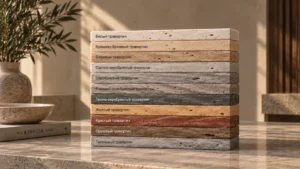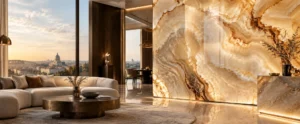
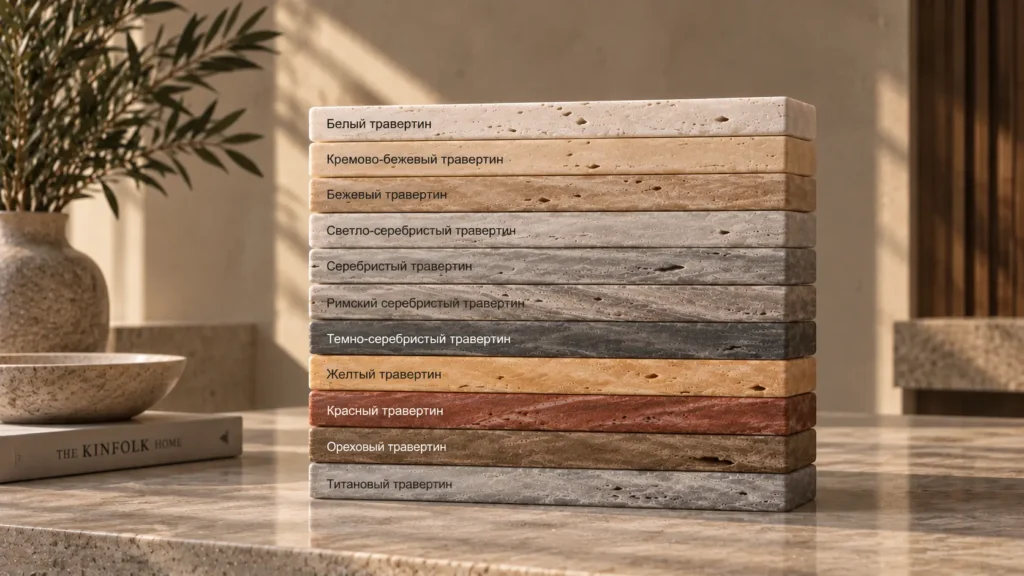
Travertine colors range from white and ivory to cream, beige, silver, grey, brown, and red, offering architects and interior designers a versatile palette for different architectural styles. Each shade influences the visual character of a space, from bright and minimalist interiors to warm, natural-looking building facades.
Choosing the right travertine color requires careful consideration of architectural style, natural lighting, surrounding materials, surface finish, and the desired visual effect. Architects and designers must also consider natural color variations and consistency across stone batches, particularly for large-scale facade projects.
This guide explores the most popular travertine colors, their applications in modern and classic building facades, and practical ways to combine different shades for cohesive architectural designs.
What Colors Does Travertine stone Come In?
Travertine stone naturally occurs in a wide range of colors, including white, ivory, cream, beige, silver, grey, brown, yellow, and red. These shades are primarily influenced by the minerals and impurities present during the stone’s formation, particularly iron compounds, which can produce yellow, brown, and reddish tones.
Travertine colors are not always uniform. A single slab may feature subtle color transitions, natural veining, or contrasting bands, depending on its geological origin and cutting direction. For architects and designers, these variations can add depth and character to both interior surfaces and exterior facades.
The main travertine color groups include:
| Travertine Color | Visual Characteristics | Architectural Applications |
|---|---|---|
| White and Ivory | Light, neutral shades with a clean and bright appearance | Ideal for minimalist designs, bright interiors, and elegant building facades |
| Cream and Beige | Warm, natural tones with a soft and balanced appearance | Suitable for classic and contemporary architectural styles |
| Silver and Grey | Cool, neutral shades with distinctive natural patterns | Complement modern facades and create contrast with other materials |
| Brown and Walnut | Rich, earthy tones that add warmth and visual depth | Suitable for natural-looking facades and warm architectural designs |
| Yellow and Red | Distinctive, mineral-influenced shades with a bold appearance | Used for architectural accents, feature walls, and statement surfaces |
Because travertine is a natural stone, the exact shade and pattern can vary between quarries and production batches. Reviewing actual stone samples is therefore essential when selecting materials for projects that require consistent color across large surfaces.
Popular Travertine Colors for Building Facades
The best travertine colors for building facades depend on the architectural style, surrounding materials, and desired visual effect. While lighter shades create bright and understated exteriors, darker and more distinctive tones can highlight architectural details or introduce contrast.
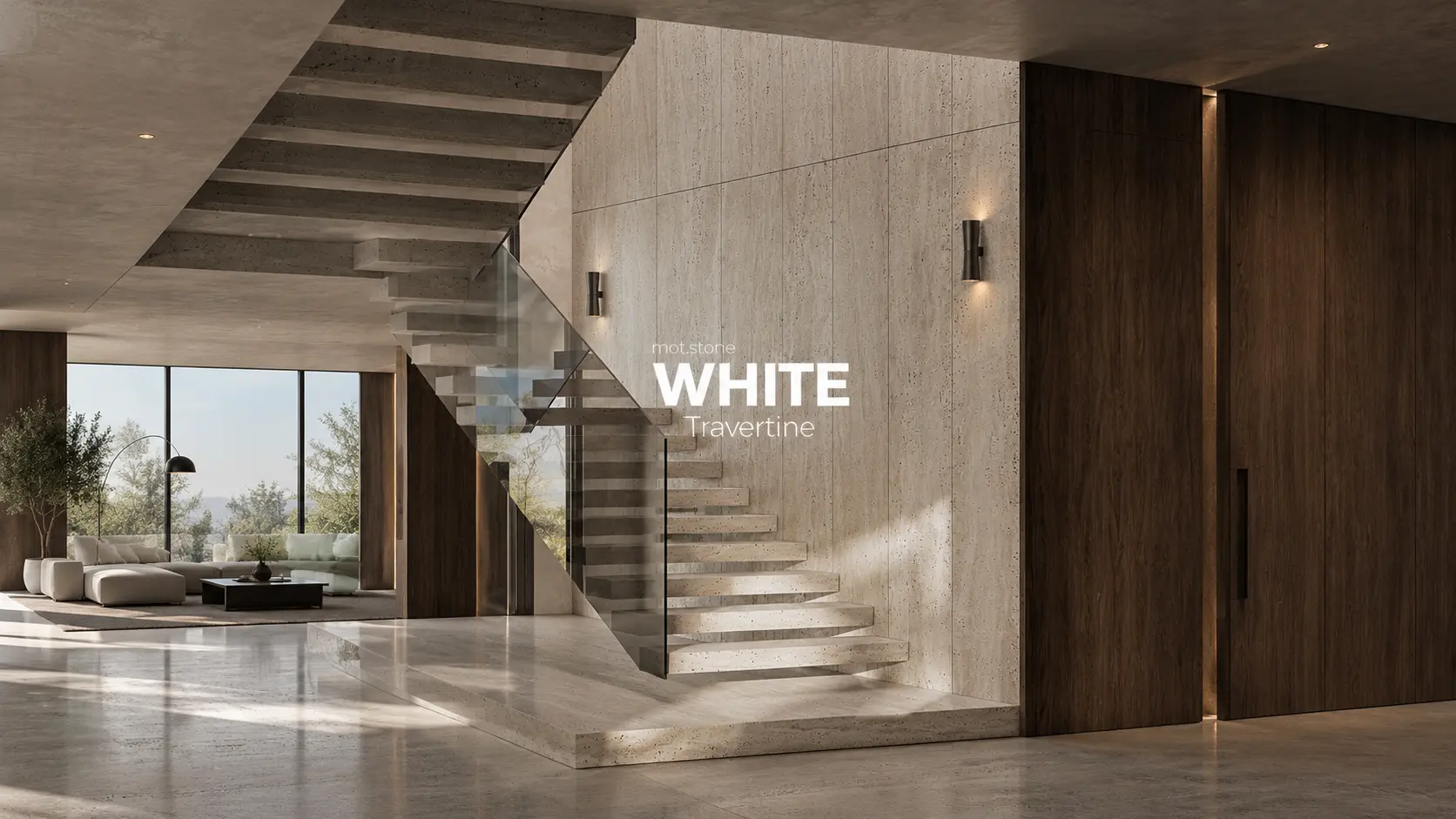
White and Ivory Travertine
White travertine and ivory travertine are suitable for minimalist, modern, and neoclassical facades. Their light appearance emphasizes clean architectural lines and can make large exterior surfaces feel more open and visually balanced.
Architects often combine these shades with dark aluminum frames, glass, or wood accents to create contrast. In classical facades, ivory travertine can also complement columns, cornices, and decorative stone elements without overwhelming the design.
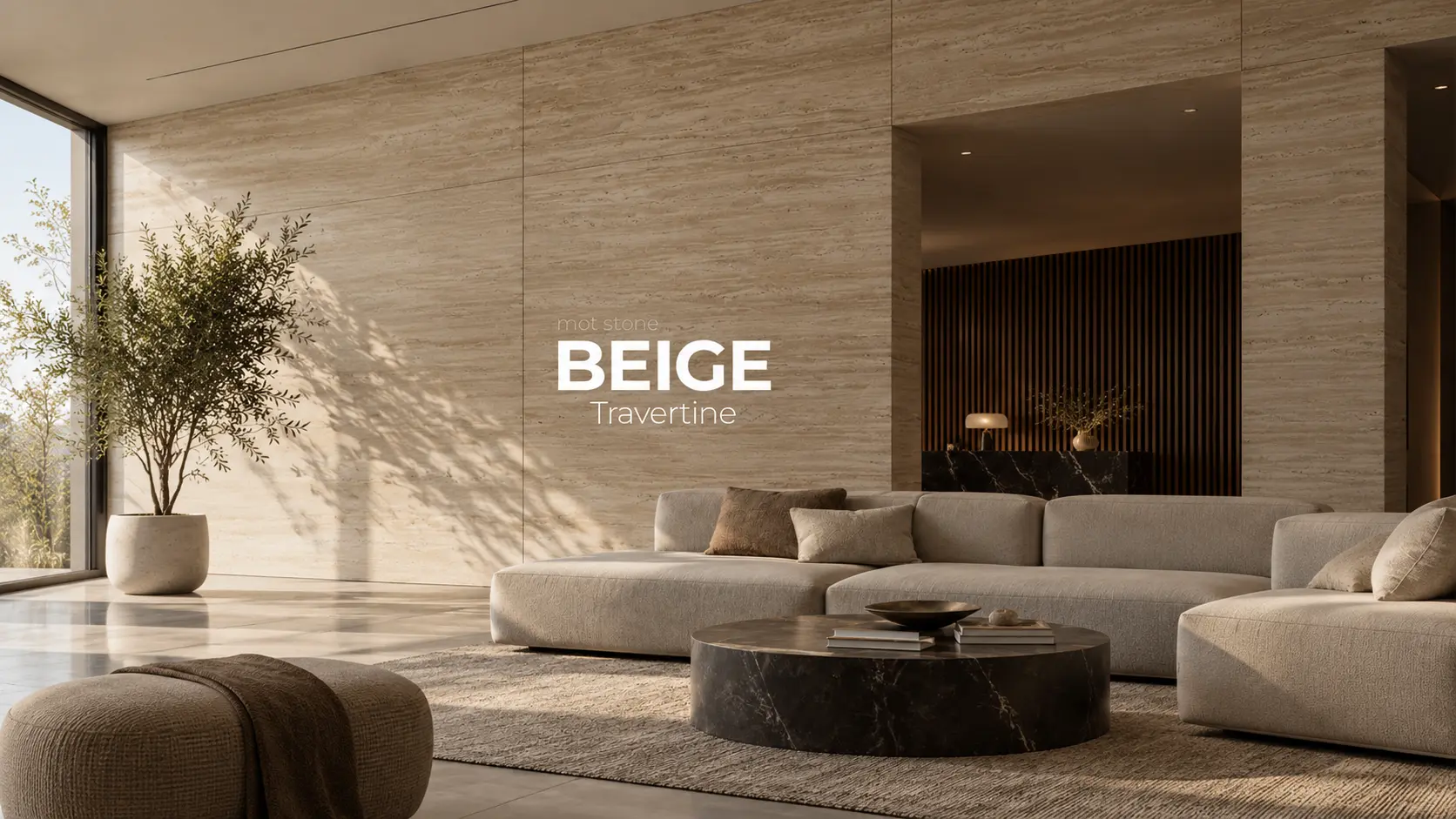
Cream and Beige Travertine
Cream and beige are among the most versatile travertine stone colors for exterior architecture. Their warm, neutral appearance works well with both traditional and contemporary building designs.
These shades are particularly effective on residential facades, villas, and hospitality buildings where a natural, welcoming appearance is preferred. Combining beige travertine with bronze metal, timber, or darker stone details creates a balanced palette without excessive contrast.
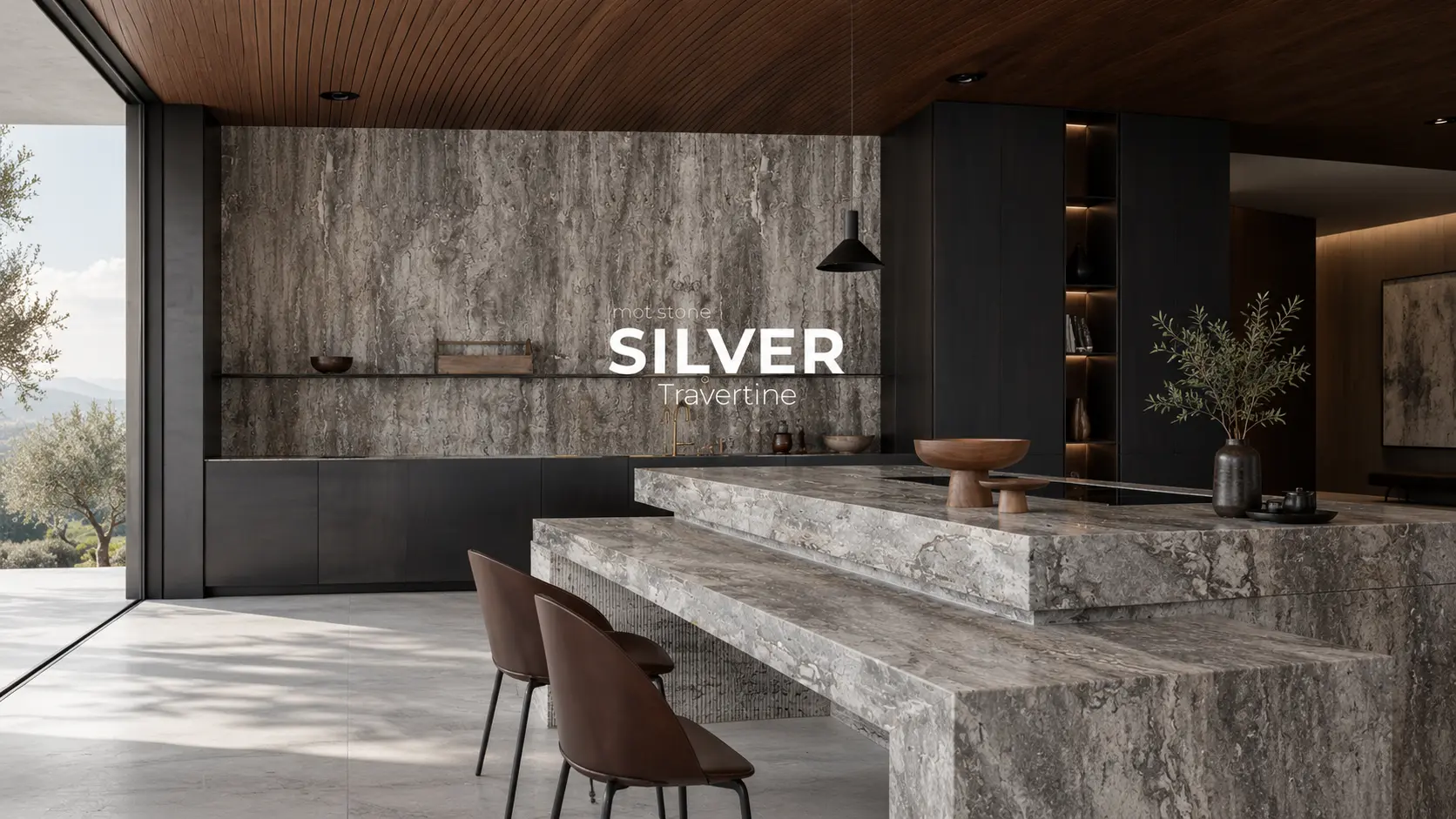
Silver and Grey Travertine
Silver and grey travertine are frequently selected for contemporary facades that emphasize geometric forms, clean lines, and contrasting materials.Their cooler tones complement glass, concrete, and dark metal finishes. Depending on the cutting direction, silver travertine may also display linear patterns that architects can use to emphasize horizontal or vertical elements of a building.
For large facades, reviewing multiple slabs is important because the intensity of grey, silver, and brown undertones may vary between pieces.
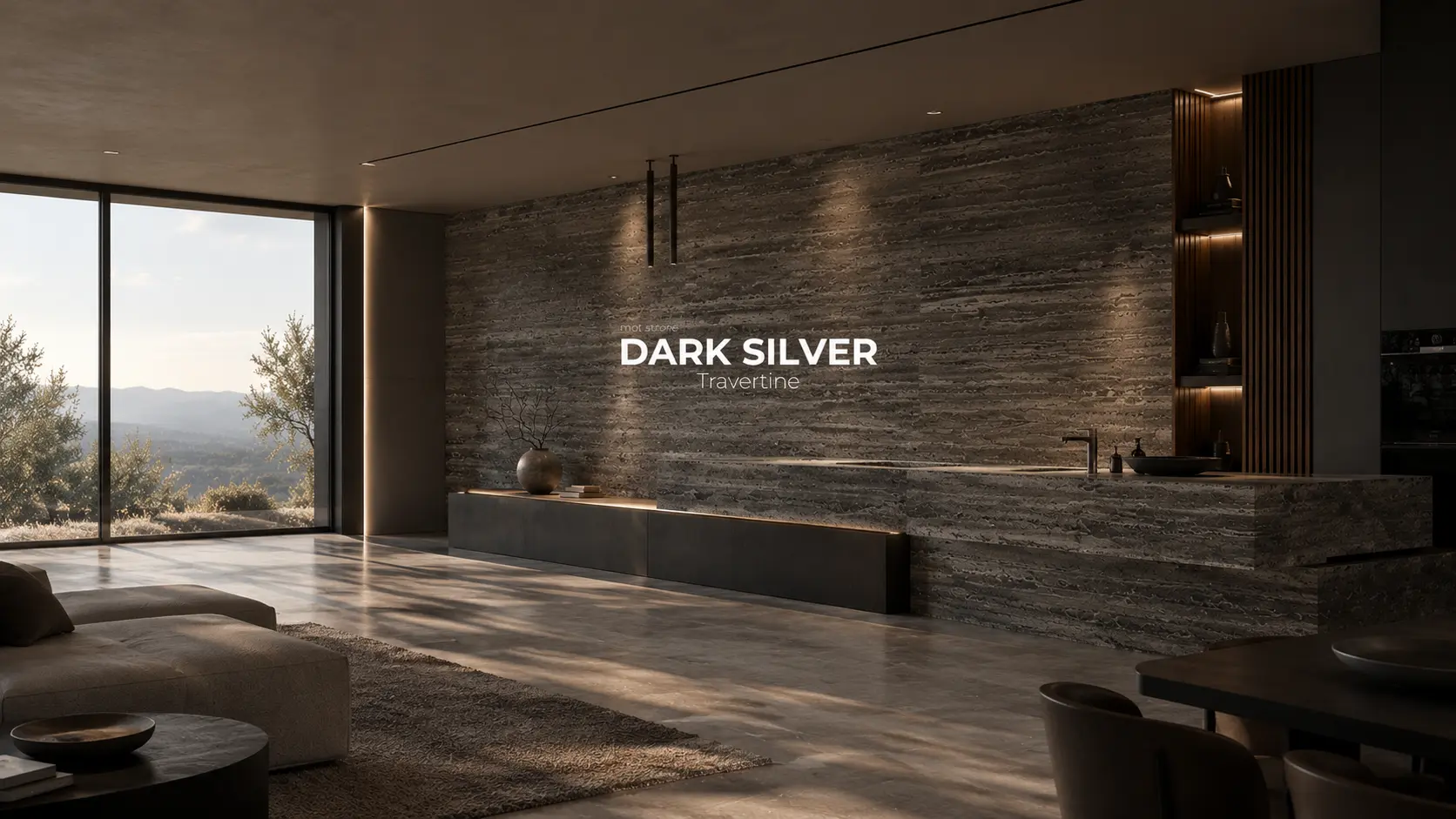
Brown and Walnut Travertine
Brown and walnut travertine bring depth and warmth to exterior designs. Their earthy appearance makes them suitable for villas, Mediterranean-inspired buildings, and architectural projects that incorporate natural materials.
Rather than covering an entire facade, darker brown shades can be used around entrances, columns, or recessed wall sections to establish visual contrast. Pairing walnut travertine with cream or ivory stone helps maintain a balanced appearance.
Red and Yellow Travertine
Red and yellow travertine offer a more expressive option for architectural projects that require distinctive color accents.Red travertine can highlight entrances, feature walls, or selected facade elements, particularly when combined with neutral stone. Yellow and golden tones work well in warm architectural palettes and can complement beige travertine, wood, and bronze-colored details.
For these stronger colors, architects should carefully consider the proportion of stone used and its appearance under natural daylight to avoid an overly dominant facade.
How to Choose Travertine Colors for Exterior Facades
Choosing the right travertine colors for exterior facades requires balancing architectural aesthetics with the building’s surroundings and project requirements. Architects and designers should consider how the selected stone will appear across large surfaces, under different lighting conditions, and alongside other facade materials.
Consider the Architectural Style
The building’s architectural style helps define an appropriate color palette. White, ivory, and light grey travertine often complement minimalist and contemporary facades, while cream, beige, and warmer tones suit classical, Mediterranean, and transitional designs.
However, color selection should support the overall architectural concept rather than follow a fixed rule. A combination of light and dark travertine can also emphasize structural elements and create visual hierarchy.
Evaluate Natural Lighting and Building Orientation
Sunlight can significantly influence how travertine stone colors appear on exterior surfaces. Direct sunlight may make lighter shades appear brighter, while shaded areas can reveal cooler undertones or stronger contrasts in the stone’s natural patterns.
Before making a final decision, architects should examine physical samples at the project site under morning, midday, and afternoon lighting conditions.
Coordinate with Surrounding Materials
Travertine should complement the other materials used in the building’s exterior. For example, beige and cream shades can create a cohesive appearance with timber and bronze-colored metals, while white and grey travertine can provide contrast against dark window frames, glass, and concrete.
Interior designers working on projects that connect indoor and outdoor spaces should also consider how exterior stone colors relate to interior finishes.
Check Color Consistency Across Large Surfaces
Natural variations are part of travertine’s character, but noticeable differences between stone batches can affect the appearance of a large facade.
For projects requiring visual consistency, architects should review samples representing the expected color range, confirm the selected surface finish, and assess how different slabs will be arranged before installation.A larger sample panel or facade mock-up can provide a more reliable representation of the final design than a single small stone sample.
Best Travertine Colors and Combinations for Modern and Classic Facades
Choosing the right travertine colors and combinations can significantly influence the visual character of a building facade. Modern architecture often favors neutral shades and contrasting palettes, while classic and neoclassical designs typically use warmer tones and coordinated color combinations.
For architects and designers, the goal is to select colors that complement the building’s proportions, architectural details, and surrounding materials.
Travertine Color Combinations for Different Architectural Styles
| Architectural Style | Recommended Travertine Colors | Suggested Color Combinations | Design Effect |
|---|---|---|---|
| Modern | White, silver, grey | White + Grey, Silver + Ivory | Clean lines, visual contrast, and a contemporary appearance |
| Minimalist | White, ivory, light beige | White + Beige, Ivory + Light Grey | Bright, simple, and visually balanced facades |
| Classic | Cream, beige, ivory | Cream + Beige, Ivory + Walnut | Warm, elegant, and harmonious exteriors |
| Neoclassical | Ivory, cream, light brown | Ivory + Cream, Beige + Brown | Balanced proportions and emphasis on architectural details |
| Mediterranean | Beige, walnut, warm brown | محتوا 6-3 | Natural warmth and an earthy architectural character |
How to Create Balanced Travertine Color Combinations
When combining different travertine stone colors, architects should establish a dominant shade and use secondary colors to highlight selected architectural elements.For example, a light travertine facade can incorporate darker stone around entrances, window frames, or recessed sections to create depth without overwhelming the overall design.
Color combinations should also consider the stone’s natural veining and variation. Reviewing the selected shades together in a sample panel helps designers evaluate contrast, visual consistency, and compatibility before installation.The most effective combinations are those that reinforce the building’s architectural identity rather than simply introducing multiple colors.
What to Check Before Selecting Travertine for a Facade
Before finalizing travertine colors for a building facade, architects and designers should evaluate the stone’s appearance, consistency, surface finish, and project requirements. Since travertine is a natural material, its color and patterns may vary between slabs and production batches.
The following factors should be considered before making a final selection:
- Actual Stone Samples: Examine physical samples rather than relying solely on catalog images, as photographs may not accurately represent the stone’s natural color and texture.
- Color Consistency: Compare several slabs or tiles from the intended batch to assess variations and maintain visual harmony across large facade surfaces.
- Surface Finish: Review the selected finish, as polished, honed, and textured surfaces can influence the perceived color and appearance of travertine.
- Stone Dimensions and Layout: Consider available sizes, cutting direction, and stone arrangement to achieve a consistent architectural composition.
- Project Conditions: Evaluate climate exposure, installation requirements, and relevant material specifications to confirm the stone’s suitability for exterior applications.
Final Approval Before Installation
For large facade projects, architects should review a representative sample panel or mock-up under actual lighting conditions before approving the material.This helps assess how travertine stone colors, natural patterns, and surface finishes work together across larger areas.
The final selection should also meet technical requirements related to stone quality, fixing systems, and environmental exposure. A visually suitable color alone does not guarantee that the material is appropriate for every exterior application.
Choosing the Right Travertine Colors for Your Project
Choosing the right travertine colors is an important step in creating a cohesive and visually appealing architectural design. Whether the project involves a modern facade, a classical building, or a space that connects interior and exterior elements, the selected colors should complement the architectural style, surrounding materials, and natural lighting.
For architects and designers, the best approach is to evaluate actual stone samples, consider natural color variations, and select combinations that support the project’s overall design concept. A well-planned color palette can enhance architectural details and create lasting visual harmony.Explore the natural travertine options available at MOT Stone to find colors and finishes that align with your project’s design requirements.
Frequently Asked Questions About Travertine Facade Colors
What are the most popular travertine colors for building facades?
White, ivory, cream, beige, silver, and grey are popular travertine colors for building facades. Light shades are commonly used for bright, elegant exteriors, while grey and silver tones complement contemporary architectural designs.
Which travertine color is best for a modern facade?
White, ivory, silver, and grey travertine are often suitable for modern facades. These colors complement minimalist designs, geometric forms, glass surfaces, and dark metal frames. The best choice depends on the building’s architectural concept and surrounding materials.
Can different travertine colors be combined on one facade?
Yes. Combining different travertine colors can create contrast and emphasize architectural details. For example, white and grey work well in modern designs, while cream and walnut shades can create a warmer appearance in classic or Mediterranean-inspired facades.
Does travertine change color in sunlight?
Sunlight can change how travertine colors appear throughout the day, but this visual effect does not necessarily indicate permanent discoloration. Long-term changes in appearance may result from weathering, surface deposits, moisture, or environmental exposure.
How can architects ensure consistent travertine colors across a large facade?
Architects should review multiple stone samples from the intended production batch, assess the natural color range, and approve a representative sample panel before installation. Coordinating stone selection, cutting direction, and layout can help achieve a more consistent visual result.